Thermal Energy Storage between Technology and Trust
Thermal energy storage is central to the energy transition. The technology is ready to go. But people remain sceptical. So what now?
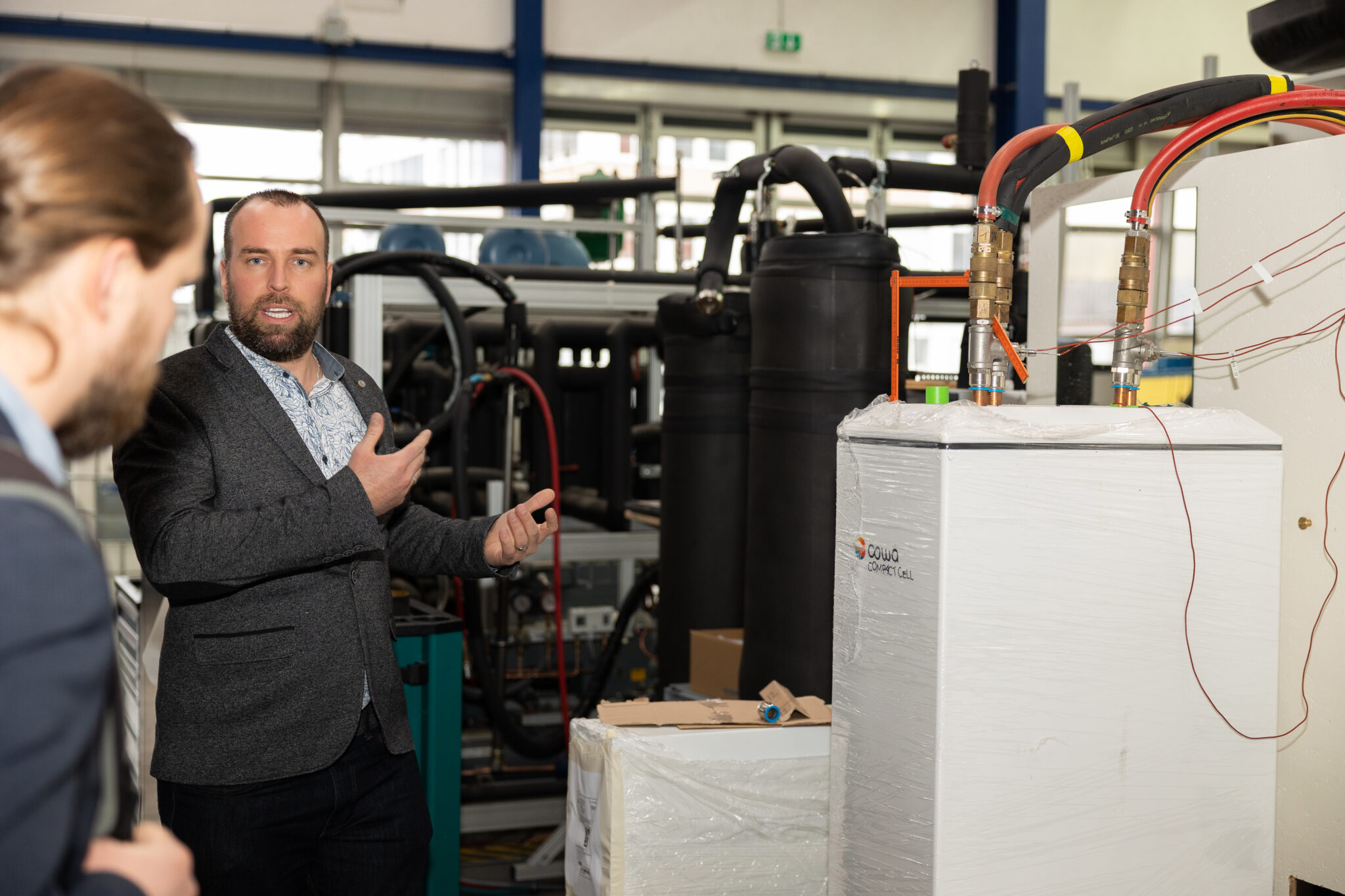
Around 50 percent of total energy demand is used for heating and cooling. Thermal energy is therefore not an abstract concept, but something that affects people directly and is literally tangible. While electricity often seems to “simply come from the socket,” heat is part of everyday life and is therefore more emotionally and socially charged. This is precisely what makes thermal energy storage (TES) so relevant – and at the same time so challenging.
From a technological perspective, TES is already well advanced. Many solutions are proven, scalable, and technically ready for widespread deployment. And yet, thermal energy storage still struggles to gain traction in practice. Why?
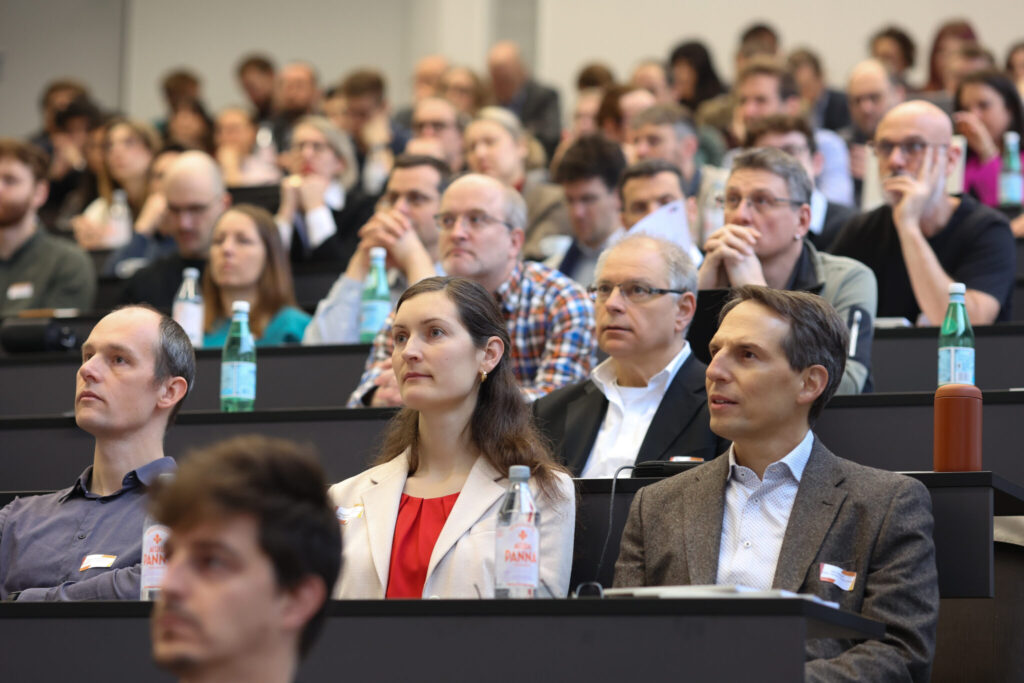
The Swiss Symposium Thermal Energy Storage 2026 made one thing clear: the greatest challenges for TES today lie less in missing technology and more in communication, education, and trust. Studies on technology acceptance show that many people expect energy systems to be efficient, compact, affordable, quick to implement, safe, and sustainable – all at the same time. In short: they want it all.
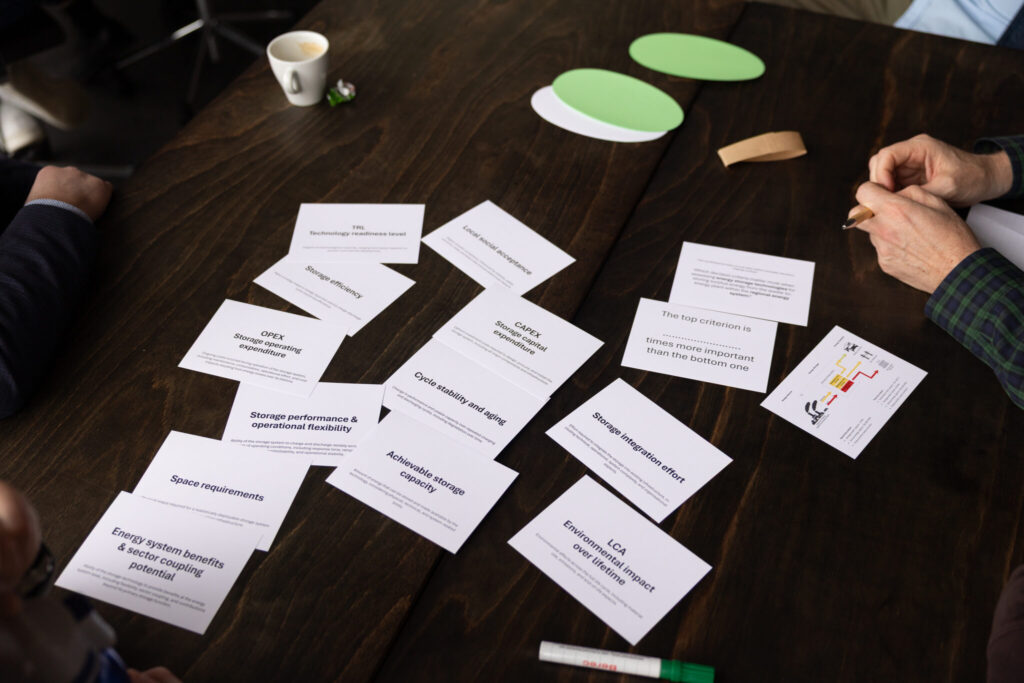
Since these expectations cannot all be met simultaneously, deliberate decision-making scenarios were analysed in which priorities had to be set. A clear pattern emerged: familiar technologies, especially water-based storage systems, are significantly better accepted than less familiar solutions. Familiarity creates trust, even when the solution is not technically optimal. This raises a central question that ran like a common thread throughout the symposium:
Should we rely on technically suboptimal solutions simply because they are more socially accepted?
Arguments in favour of this approach:
- Socially accepted technologies face less resistance, are easier to explain, and can often be implemented more quickly.
- In an energy transition under significant time pressure, public acceptance can become a decisive success factor.
- Projects move forward more easily, processes are accelerated, and implementation is less likely to fail due to opposition.
Arguments against it:
- Technically suboptimal solutions can lead to lower efficiency, higher long-term costs, or reduced flexibility.
- They may limit innovation and prevent more powerful systems from being deployed.
- Focusing solely on acceptance risks locking in solutions that may not meet the requirements of future energy systems.
The symposium clearly demonstrated how thermal energy storage is already contributing to the integration of renewable energy today:
One example is the conversion of PV power peaks into heat via power-to-heat technologies, with the heat stored for later use—an approach that is not only technically convincing but also system-oriented. Large-scale solutions such as pit thermal energy storage are also technically advanced. Yet here too, scepticism among residents, uncertainty among project partners, and a lack of trust continue to slow down implementation, even though the solutions themselves are available.
Encouraging signals came from the many contributions by participants from industry and energy supply. They showed that thermal energy storage is increasingly understood as a strategic factor—not only for improving efficiency, but also for enhancing security of supply, enabling decarbonisation, and strengthening competitiveness. Whether solar process heat combined with storage solutions, green steam generation, underground storage, or district-based heating networks, TES was consistently discussed as an integral part of future energy systems, not as an isolated technology.
In the end, one central insight remains:
The success of thermal energy storage will not be decided solely in laboratories or planning offices, but in the interplay of technology, communication, and societal trust. The energy transition does not only need good solutions; it also needs people who understand them, support them, and accept them.
Save the Date:
29 January 2027 is the next Swiss Symposium on Thermal Energy Storage. For anyone who would like to continue this discussion and help shape the future of thermal energy storage.
More info: www.hslu.ch/sstes
Katharina Kerbleder
Process & Energy Engineer

Comments
0 Comments
Thank you for your comment, we will analyse it.