
Top 10 Myths About Studying Sustainable Tourism at HSLU – and What It’s Really Like
Hello, I am Salome, a second-year Bachelor student in International Sustainable Tourism at HSLU. Today I want to talk about the Top 10 Myths that exist about studying Sustainable Tourism and what the reality is like.

When I tell people I study International Sustainable Tourism, I usually get reactions like:
- “That sounds amazing – so you travel all the time?”
- “Do you basically study the environment?”
- “So, it’s just a tourism degree with a cool name?”
- “Are you going to work in a hotel after?”
After three semesters between Madrid, online classes and working with students and professors from all over the world, I can tell you there are quite a few myths out there. Here are the Top 10 misconceptions about studying sustainable tourism and what it’s really like.
Myth 1: This degree is only about the environment
Reality: Sustainability isn’t just “green” and it goes beyond the environment, including also social, cultural, and economic aspects. We explore how tourism can create fair jobs, support gender equality, preserve traditions, and empower local communities, all while protecting the planet.
Myth 2: You just travel all the time
Reality: While field trips and international experiences are part of the programme (and we love them!), much of the work happens in research projects, data analysis, and collaborative assignments.
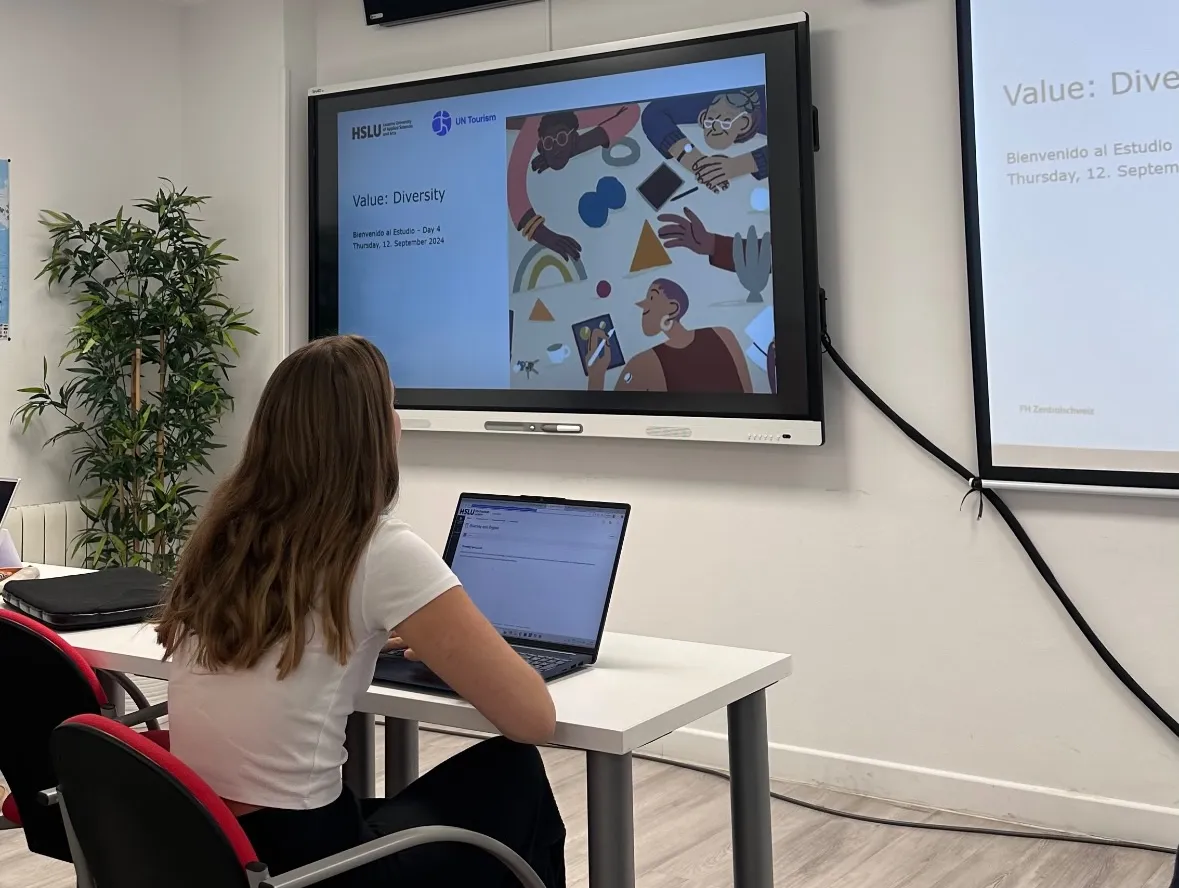
There is also a valid reason why we start the programme in Madrid (Spain): UN Tourism is headquartered there, and thanks to our proximity we can attend masterclasses with UN Tourism experts right at the Madrid campus. In a way, we travel even further through case studies and teamwork than by airplane —discovering tourism not just as travellers, but as future innovators.
There will be a study week in our final semester, however, when we will travel in Switzerland as a class to see some best practices — and we are all looking forward to it.
Myth 3: It’s an “easy” degree
Reality: It’s not an easy degree – it’s a meaningful one. It’s a diverse programme combining different fields of study such as business, management, sustainability, marketing, policymaking and hospitality with soft skills. It challenges you to think strategically for a destination or business, critically about global issues, and understand how tourism can be both responsible and profitable. Further, you have to demonstrate discipline and self-management during the remote studies in year two (Honestly, I’m sometimes struggling myself!). Challenging? Yes. Worth it? Absolutely.
Myth 4: It’s just a tourism degree with a “green” label
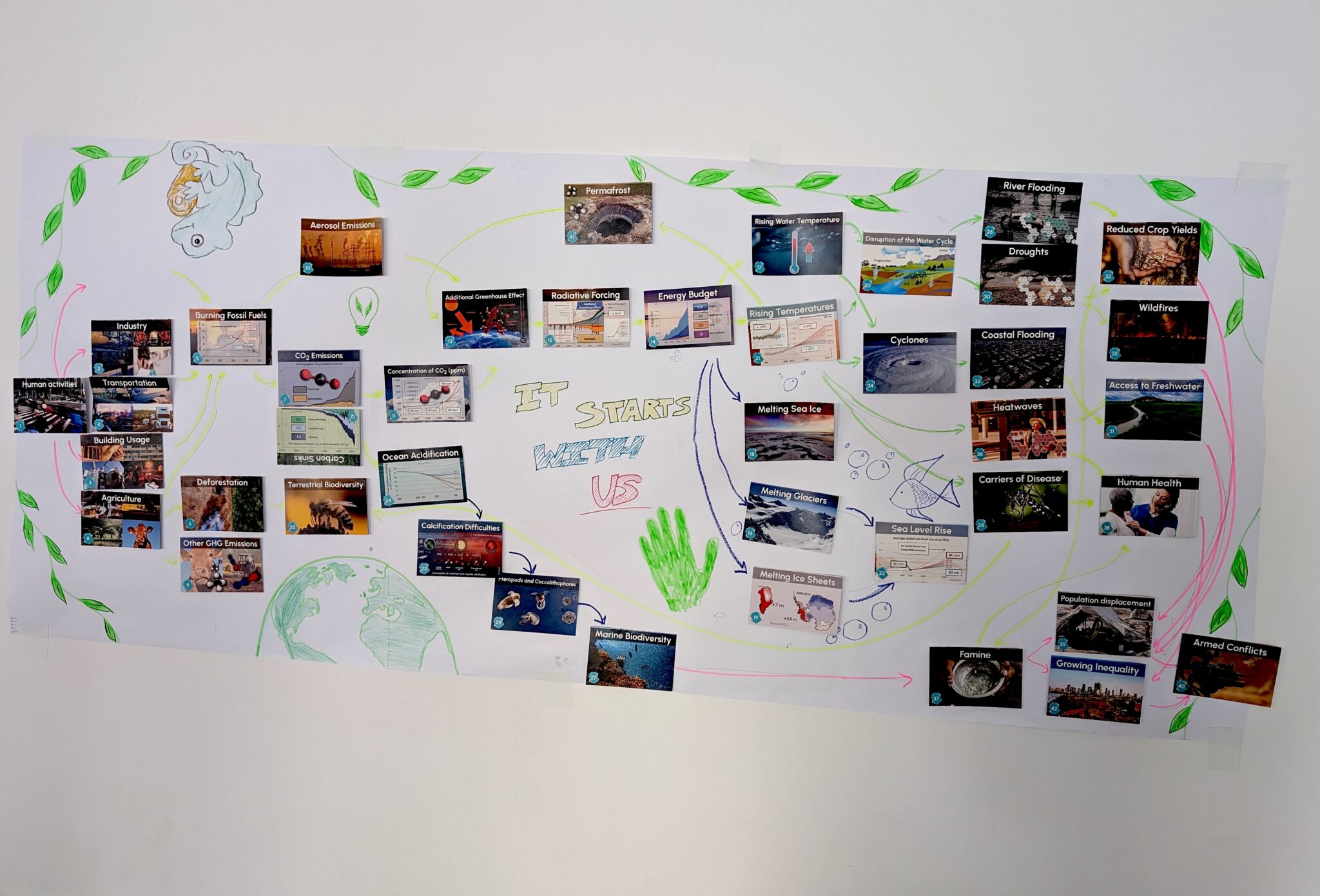
Reality: It is more than a label – it’s a mindset. The content goes far beyond tourism basics. We study economics, sustainability frameworks, policymaking, and data-driven strategies to help destinations and organisations operate sustainably and successfully. This degree is not about adding green labels, it’s about creating impact.
Myth 5: It’s all theory far from practice
Reality: The programme combines theory and practice in a meaningful way. We learn solid theoretical foundations and then bring those ideas to life through field research, community interviews and project work. We learn from people working on the ground and sharing their experience in guest lectures. From designing tourism products to analysing destinations, we apply theory to real situations – all while working with industry professionals, building a valuable network along the way.
Curious how we connect classroom learning with real-world impact? Read more in our blog:
Myth 6: There are few career options
Reality: This field is growing really fast, and so is the demand for sustainability professionals. After our graduation, we will probably work in tourism boards, NGOs, consulting, hotels, airlines, authorities, and even tech. It all depends on personal interests, whether you want to work with local communities or directly with guests, manage destinations, or develop corporate sustainability strategies. The skills you gain are transferable and relevant across many industries.
Myth 7: You have to work in destinations far from home
Reality: Not exactly! Sustainable tourism is a need everywhere – from rural communities to major cities. You can help improve tourism in your own country or contribute to sustainability strategies for global hotel chains and international organisations. In the end, it’s not just about where you work, it’s about how you make a difference. Whether it’s a small village or a vibrant city, every destination has the potential to grow more sustainably.
Myth 8: Sustainability is just a hype
Reality: Maybe more like a lasting trend with good intentions. It’s not a passing idea – it’s becoming the standard. Governments, businesses, and travellers increasingly expect responsible practices. Understanding how to make tourism inclusive and regenerative is one of the most relevant skills today – otherwise, the reasons for visiting destinations, like the beauty of the environment or the cultural richness, will slowly fade away.
Myth 9: You can’t build a global career in this field
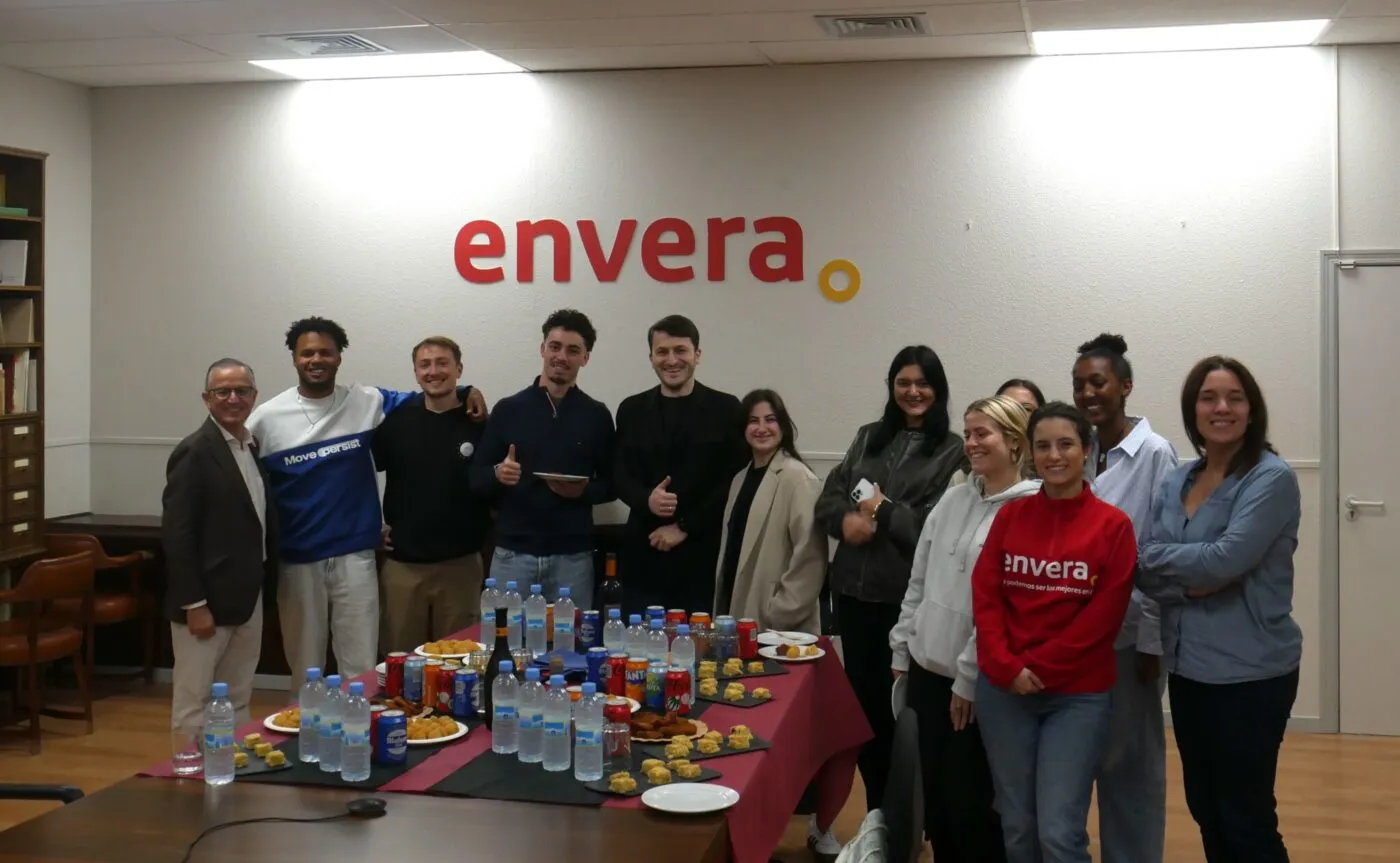
Reality: You absolutely can! Sustainable tourism connects with business, innovation and international development. From working with UN Tourism to consulting destinations worldwide, the opportunities are truly global and growing every year.
Myth 10: Tourism is not stable; the pandemic proved it
Reality: The COVID-19 pandemic revealed how vulnerable yet essential tourism is. It reminded us that the industry needs to be resilient and agile. Studying sustainable tourism means learning how to help destinations recover, adapt and thrive after disruptions or even take precautions. In fact, the future of tourism depends on how well we learn from those lessons and for this reason, we study, for example, Risk & Resilience Management.
So, what’s studying International Sustainable Tourism at HSLU really like?
Studying International Sustainable Tourism at HSLU has changed how I see the world. It’s not just about visiting new places – it’s about understanding how every journey affects people, culture, and the planet.
The programme is challenging, inspiring and full of purpose. And while you might not even notice it at first, you also grow as a person. Living independently in different places, adapting to new cultures and meeting people from all corners of the world who soon become like family – all these experiences shape you far beyond the classroom.
This personal growth reflects what sustainable tourism is about – connecting people, cultures and ideas across borders. After all, tourism is one of the largest, fastest-growing industries today, contributing significantly to the global economy. And through well-thought-out approaches, we are learning how to make that growth more responsible, inclusive and resilient for the future.
Remember, your impact matters!
#ItStartsWithYou