
Starting University After a Gap Year: A Degree for Students Who Aren’t Ready to Stop Exploring
After a gap year, the last thing you want is to feel trapped in one place. The Bachelor in International Sustainable Tourism offers exactly that freedom — study locations in Madrid and Switzerland, a flexible remote-learning year, and internship opportunities across the globe. Keep exploring the world while building the knowledge and career experience to make a real impact in it.

You have spent months exploring new countries, navigating unfamiliar cities, meeting people from all over the world, and discovering just how much there is beyond the place you call home.
Perhaps you backpacked through South America. Travelled across Southeast Asia. Worked seasonal jobs to fund your next adventure. Or simply experienced the freedom of waking up each day without knowing exactly what would happen next.
And then, sooner or later, the same question arrives…
What’s next?
Friends are applying to university. Parents are encouraging you to make a plan. Society seems to agree that it is time to become responsible, settle down, choose a degree, and start building your future. And part of you agrees.
You know you want to learn. You want to build a meaningful career. You want to move forward. Yet another part of you resists. Not because you are afraid of studying but the thought of spending the next three years in the same city, following the same routine, feels strangely limiting after everything you have just experienced.
If that sounds familiar, you are far from alone.

The Hidden Challenge After a Gap Year
Most articles about gap years focus on what happens during the experience. Few talk about what happens afterwards. The truth is that travel changes people. You become more independent. More adaptable. More curious. More comfortable with uncertainty.
Many travellers return home expecting to feel relieved. Instead, they often experience a surprising restlessness. The place that once felt familiar suddenly feels small. The routines that once felt normal now feel repetitive. This does not mean you are avoiding responsibility. It simply means that your perspective has changed.
Once you have experienced different cultures, landscapes, ways of life, and possibilities, it becomes difficult to ignore the feeling that there is still so much more to discover.
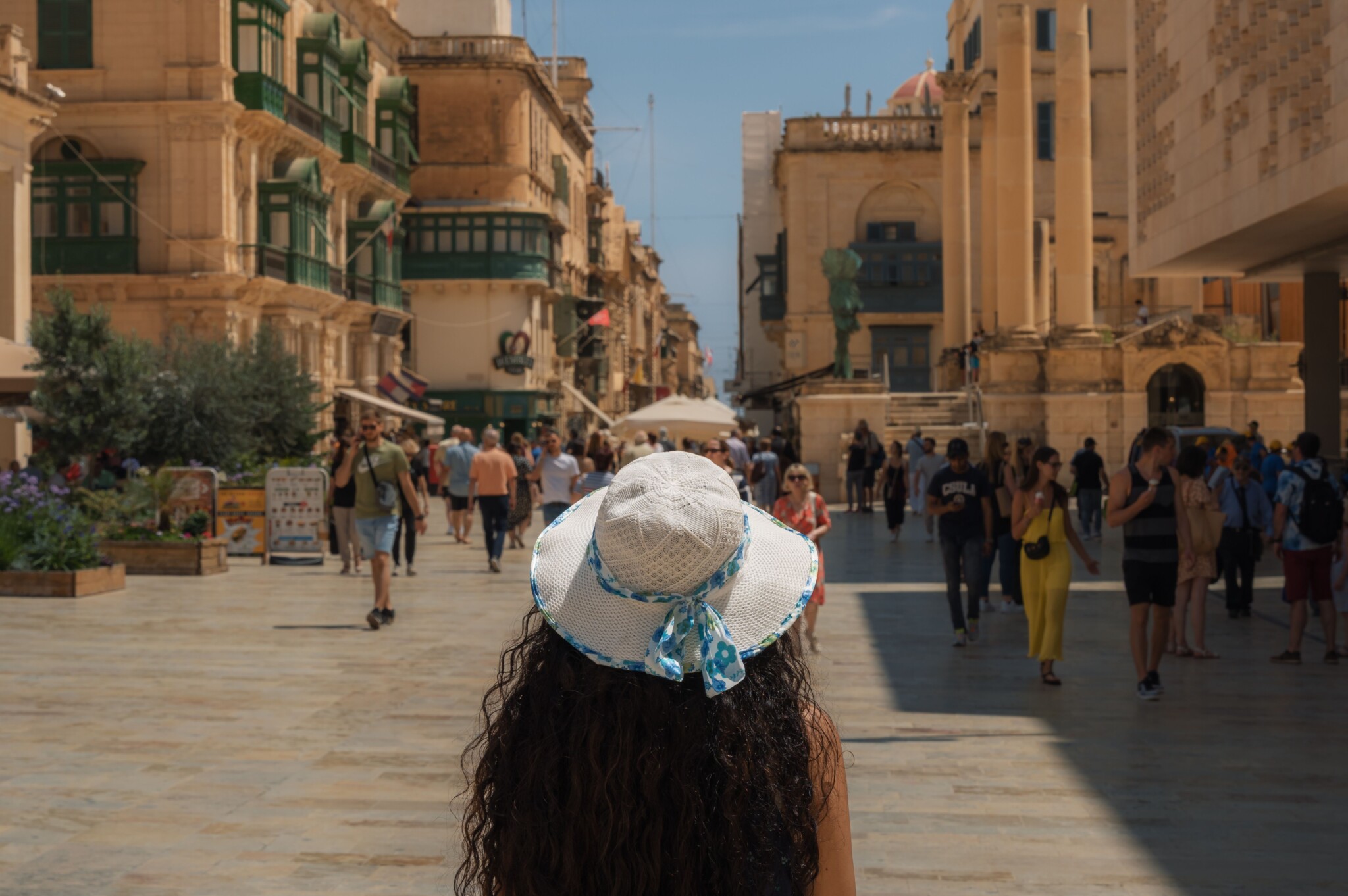
Why Traditional University Pathways Don’t Appeal to Everyone
For many students, a traditional university experience is exactly the right choice. They are ready to settle into campus life and spend several years in one place.
Others are looking for something different. They want an education that prepares them for the future without requiring them to leave their international mindset behind. They want to continue learning from the world, not just from lecture halls. They want flexibility. They want international experiences. They want to keep exploring while also building professional skills and academic knowledge.
Most importantly, they want a degree that feels connected to the life they actually want to live.
When Travel Becomes More Than a Hobby
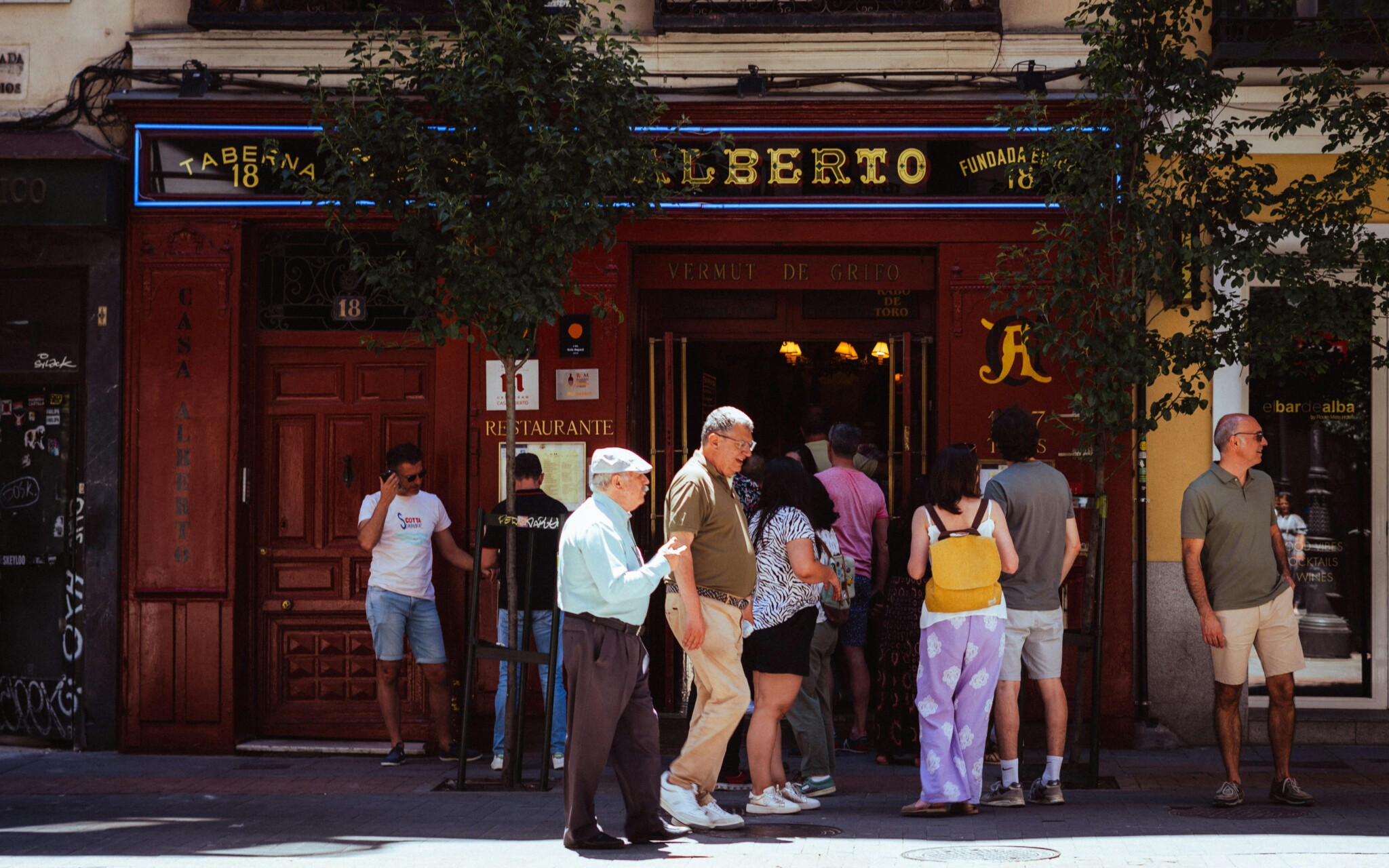
Many travellers eventually realise that what fascinates them is not only travelling itself. It is understanding places:
- Why some destinations thrive while others struggle.
- How tourism affects local communities.
- How cultures preserve their identity while welcoming visitors.
- How sustainability can be balanced with economic development.
- How tourism can create opportunities while also protecting nature and heritage.
This curiosity often emerges naturally during travel. You start noticing things that other tourists overlook. You wonder why one destination feels authentic while another feels overcrowded. You begin observing how tourism businesses operate. You notice conservation projects, visitor management systems, community initiatives, and cultural experiences.
Studying Tourism Means Seeing the World Differently
One of the unique aspects of studying tourism is that the world itself becomes part of the classroom.
Unlike many academic disciplines, tourism cannot be fully understood through textbooks alone. Destinations are living systems. They involve people, businesses, governments, cultures, ecosystems, infrastructure, and visitor experiences that constantly interact with one another.
- Students often discover that once they begin studying tourism, they never travel in quite the same way again.
- A historic city is no longer simply a beautiful place to visit. It becomes a case study in heritage management and destination development.
- A national park becomes an example of conservation, sustainability, and visitor management.
- A hotel becomes a business model.
- A guided tour becomes a designed experience.
Travel becomes richer because you understand more about what happens behind the scenes. Real-world experiences bring academic concepts to life.
Bettina Mandel
A Degree Designed for Students Who Think Internationally
This is one of the reasons why the Bachelor of Science in International Sustainable Tourism was designed differently.
Rather than expecting students to spend three years in a single location, the programme reflects the international nature of the tourism industry itself.
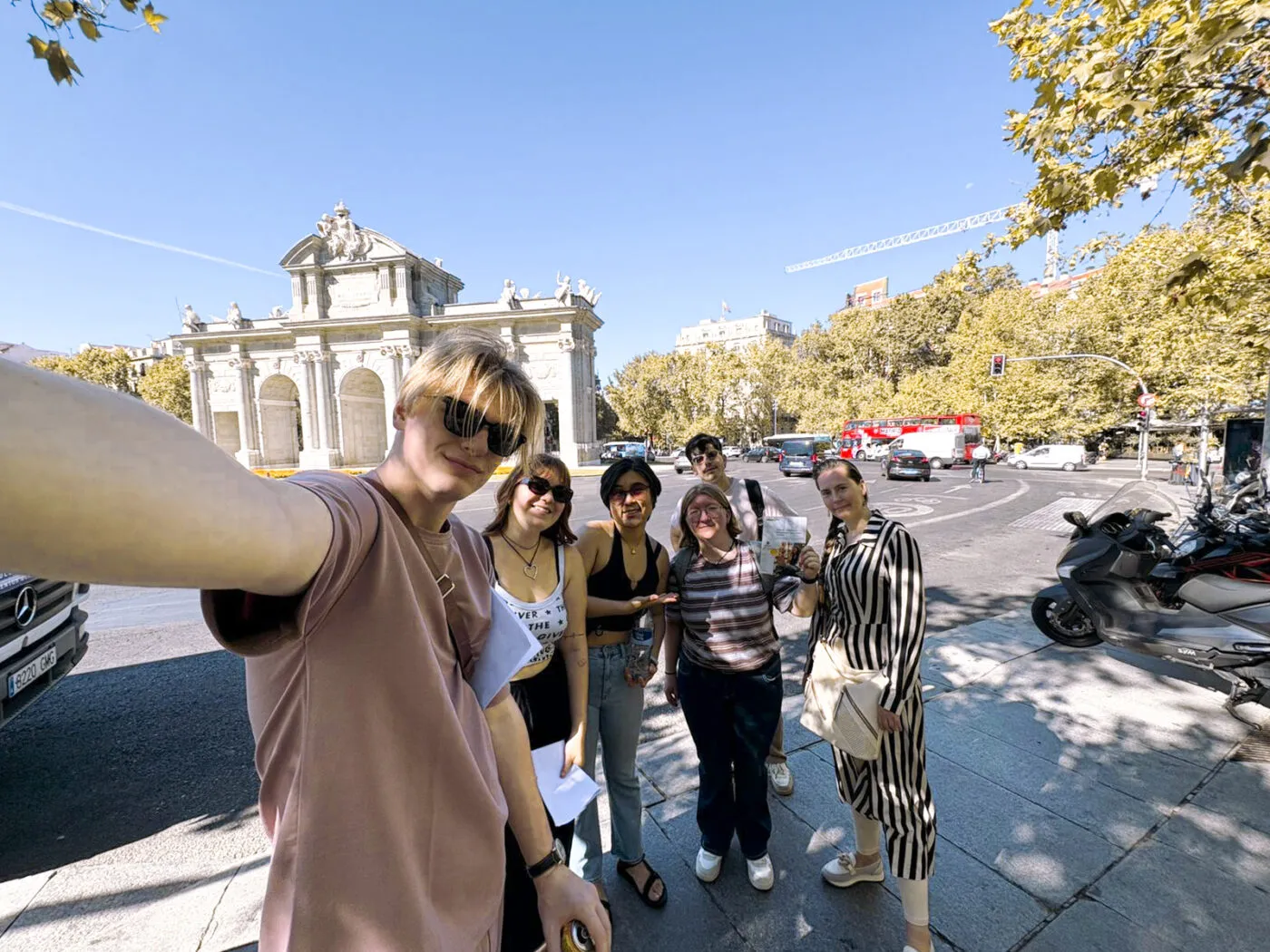
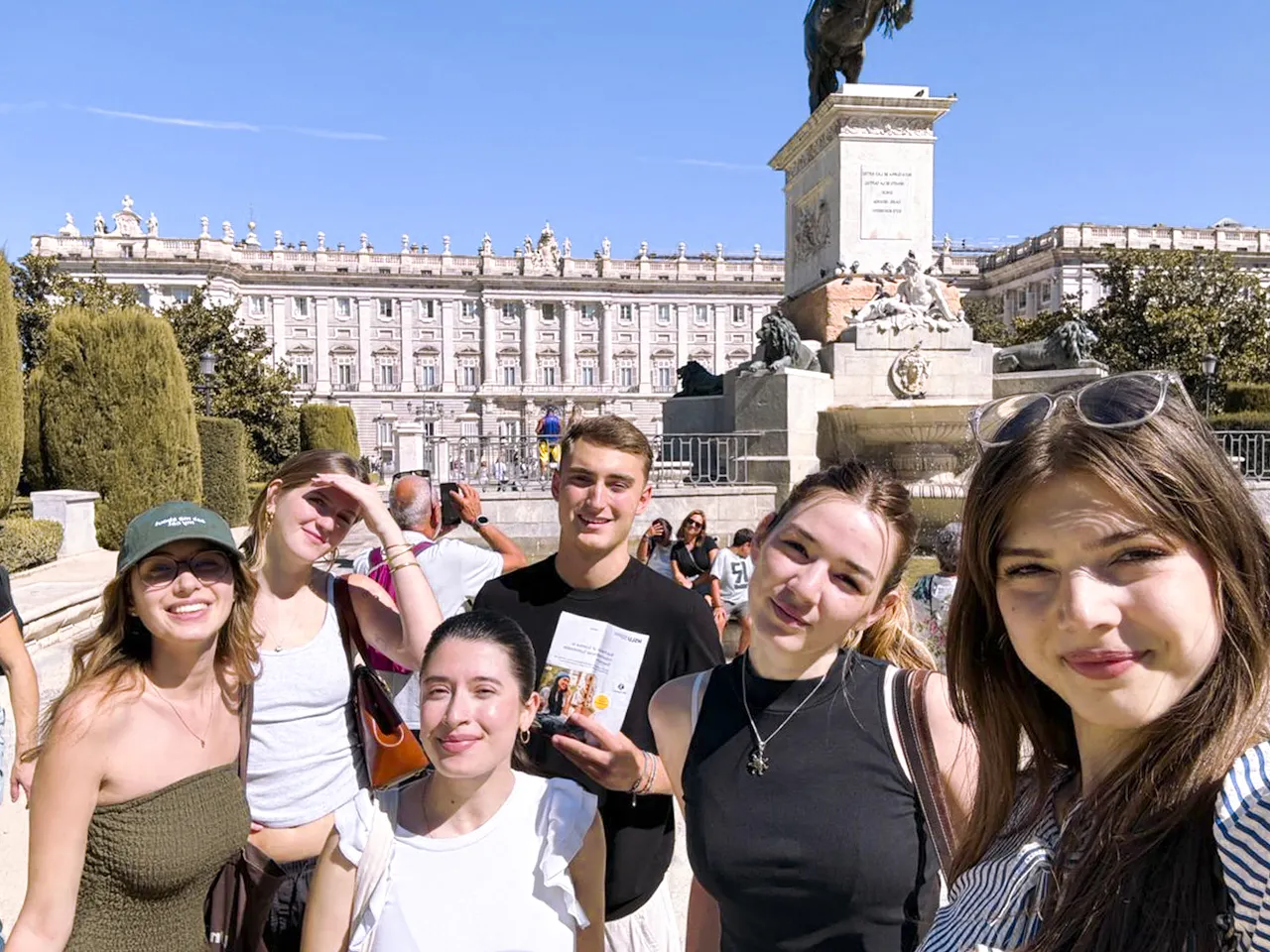
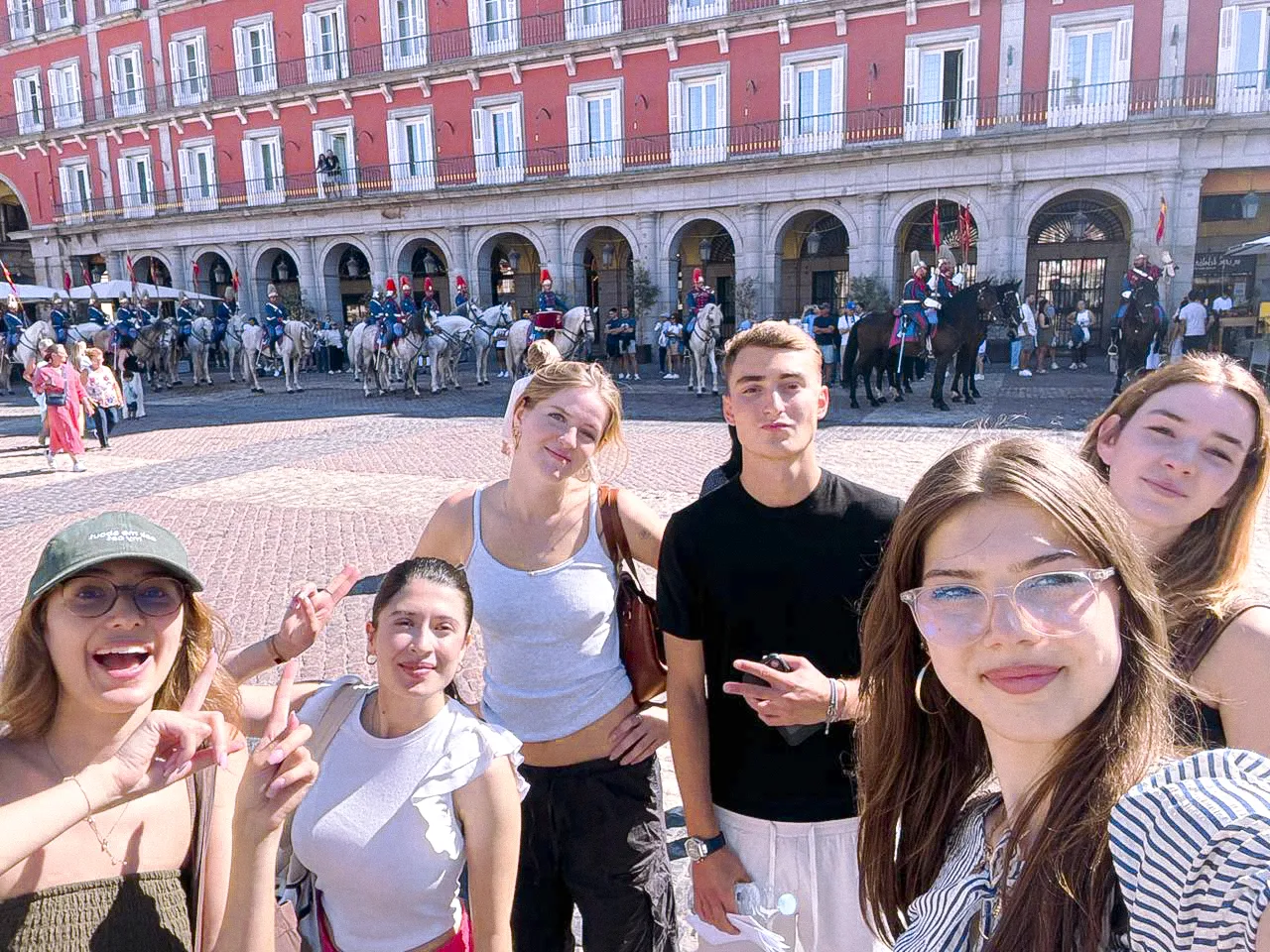
Students begin their journey in Madrid, one of Europe’s most dynamic tourism destinations and the city where our partner organisation UN Tourism is headquartered.
Living and studying in Spain provides first-hand exposure to cultural tourism, urban tourism, hospitality, destination management, and international visitor experiences. The city itself becomes an important learning environment.
Students experience tourism not only as learners but also as visitors, residents, and observers. This combination creates a deeper understanding of the industry than classroom learning alone can provide.
Learning Through Multiple Destinations
The international structure of the programme serves a purpose beyond simply offering variety. Every location provides new perspectives. Every destination presents different tourism opportunities and challenges.
During the second year, students continue their studies remotely. For many, this becomes an opportunity to maintain the flexibility they value while progressing academically. Some choose to return home. Others continue travelling. The remote structure recognises that learning can happen in many different environments.
A particularly valuable component of the programme is the internship. Students can complete their placement in locations around the world, gaining practical industry experience while building international networks and exploring career interests.
For globally minded students, this flexibility can be transformative. Instead of pausing life to study, study becomes integrated into life. To give you a few examples: We had students completing their internships, for instance, in Nepal, Panama, Costa Rica, and Spain, while others went to their home countries like Switzerland, Kazakhstan or Uzbekistan.
Learning From Industry Professionals
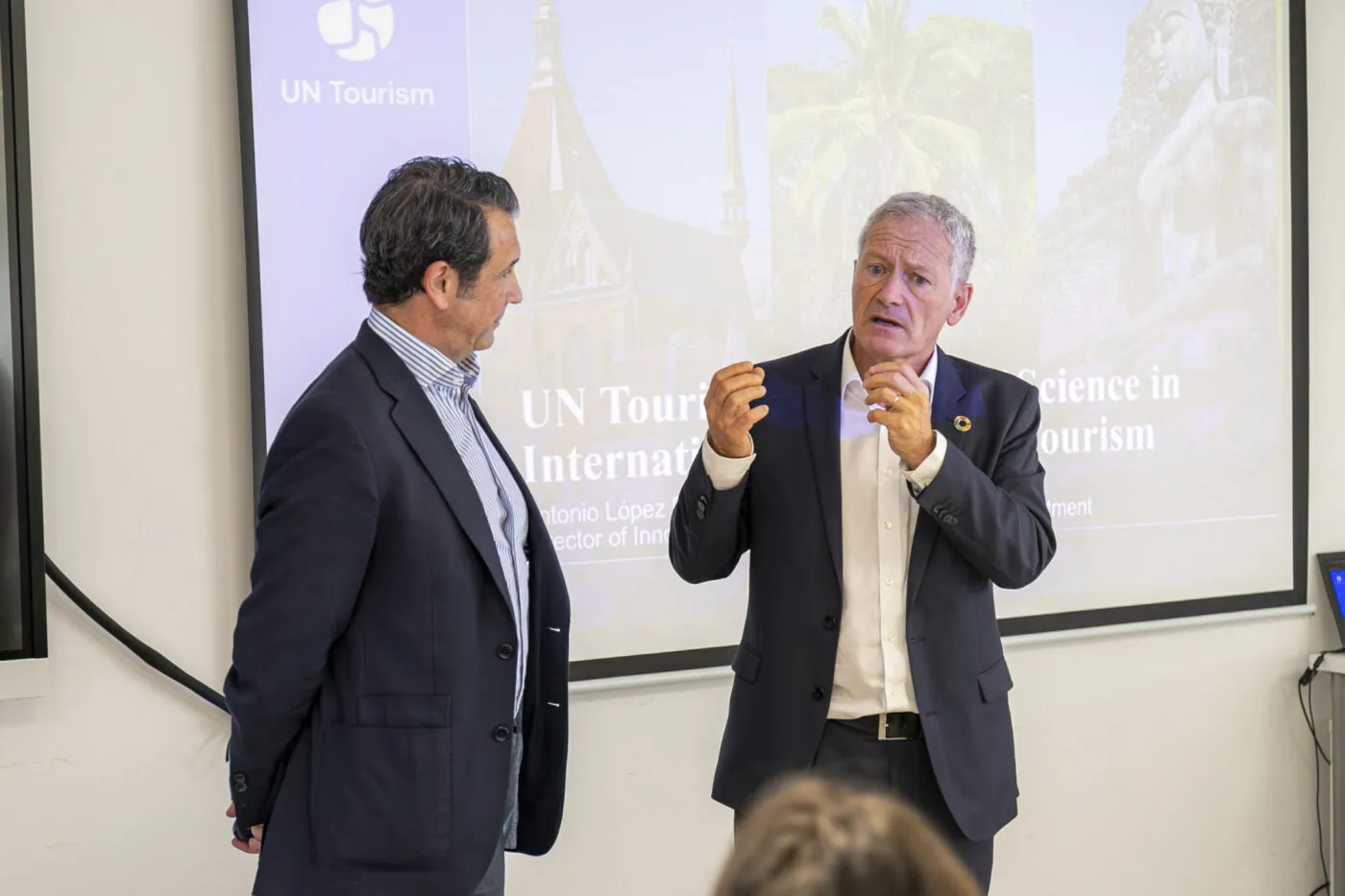
Another advantage of studying in internationally recognised tourism destinations is access to people working within the industry.
Throughout the programme, students regularly engage with guest speakers, tourism professionals, sustainability experts, entrepreneurs, destination managers, and hospitality leaders. These experts bring current industry challenges and opportunities directly into the learning experience. Students gain insights that develop a stronger understanding of how tourism operates in practice.
The combination of academic knowledge, international exposure, and industry interaction helps students build both competence and confidence for their future careers.
Why Switzerland is a Top Choice for Studying Tourism
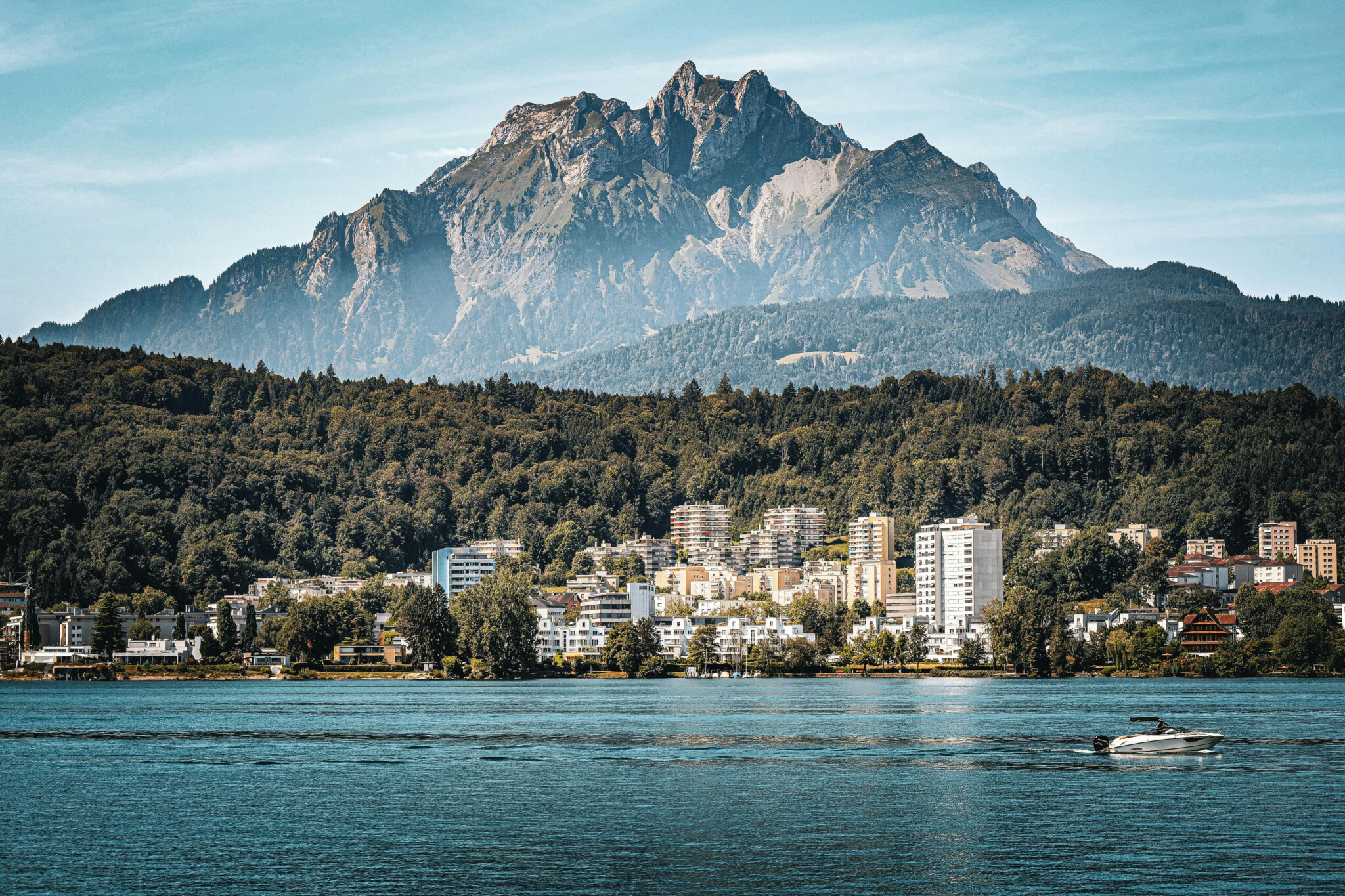
The final stage of the programme takes students to Switzerland, a country internationally recognised for excellence in hospitality, tourism, sustainability, and higher education.
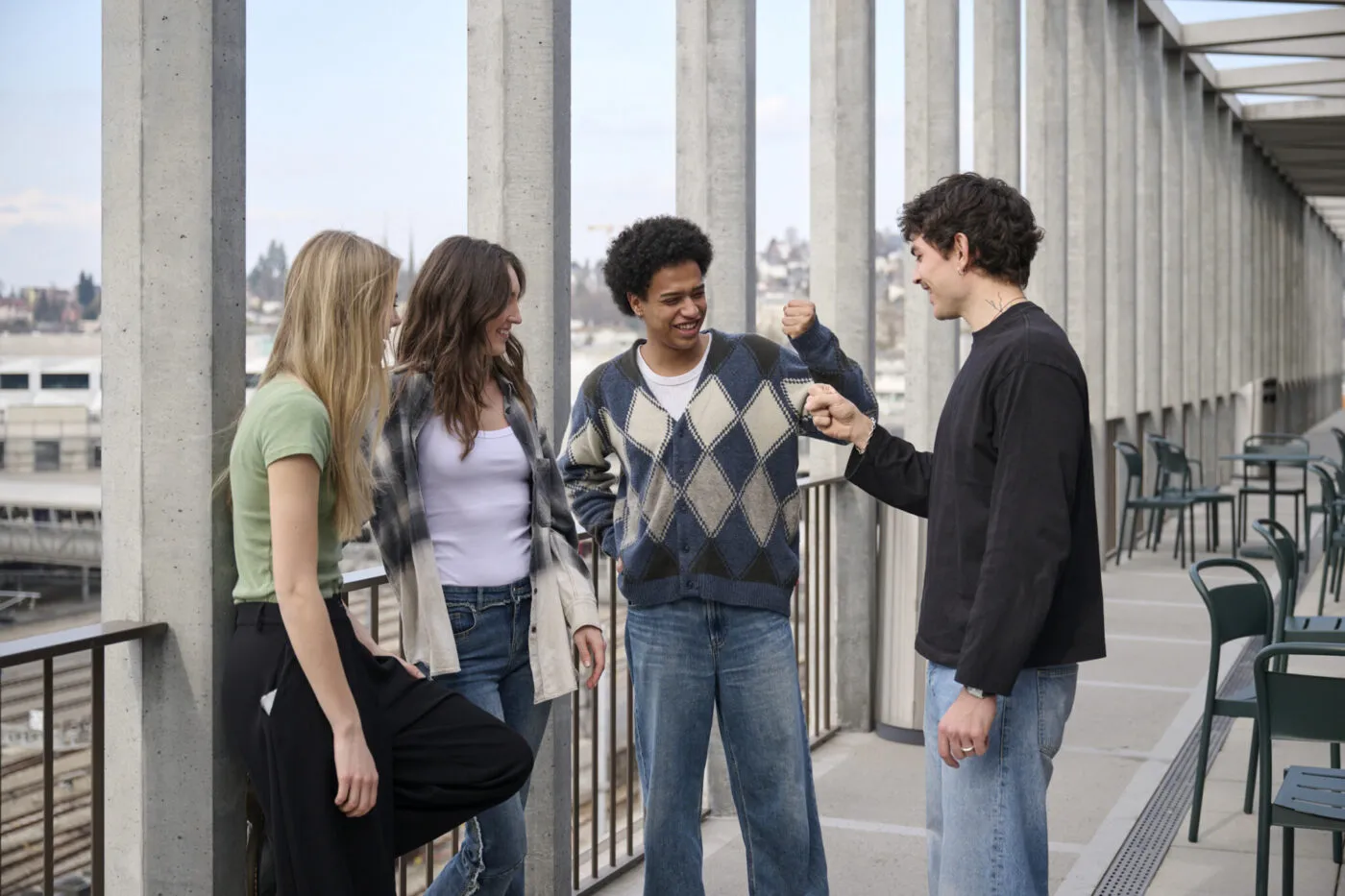

Studying in Switzerland exposes students to another perspective on tourism management. By this stage, they have experienced different educational environments, different tourism systems, and different cultural contexts. Still, they won’t miss learning from best practice cases, e.g. during their study week in their final semester and they will graduate with international experience that many employers highly value.
You Don’t Have to Stop Exploring to Build Your Future
One of the biggest misconceptions young travellers face is the belief that exploration and education belong to different chapters of life.
Bettina Mandel
First comes travel. Then comes university. Then comes work.
Reality does not have to be so linear. The right degree can allow these experiences to complement one another. If you have completed a gap year and find yourself wondering whether you are truly ready to stop exploring, the answer may not be to delay your education. It may be to find an educational pathway that matches the person you have become.
For students who are curious about the world, interested in sustainability, passionate about travel, and eager to build an international career, studying tourism offers a unique opportunity.
It allows you to grow into it while remaining connected to the curiosity, openness, and global perspective that travel helped you discover in the first place.
The Bachelor of Science in International Sustainable Tourism was created for exactly this kind of student. With study locations in Madrid and Switzerland, a flexible remote-learning year, international internship opportunities, and a strong focus on sustainable tourism, the programme enables students to continue exploring the world while building the knowledge, skills, and professional experience needed for a meaningful career.
The next step after a gap year is not choosing between adventure and education. It is finding a degree that allows both to become part of the same journey.
About the author
Bettina Mandel is a research associate at the Lucerne University of Applied Sciences and Arts – School of Business, where she played a key role in developing the curriculum of the Bachelor Programme in International Sustainable Tourism. In 2022 she completed her Master’s in Tourism in Lucerne and has been working as a digital nomad for our school since 2024.
In the same year she founded wildside, a travel agency focused on Tanzania. In 2025 she co-founded hooked, a travel agency specialising in kitesurfing trips to Brazil. A true all-rounder in the world of tourism, Bettina has travelled to over 80 countries (83 to this point) — and is far from done exploring the world.