Bridge-building in Bosnia and Herzegovina: How a HSLU-led project brings business and society together
With its “Swiss Balkan Design Bridge”, the HSLU offers a summer school in Bosnia and Herzegovina that brings togeher students from both countries to work on real-life projects. The aim is to form interdisciplinary and intercultural teams that are tasked with developing innovative solutions for SMEs, organisations and public authorities in the region together. In the interview, the heads of project Ivica Petrušić and Aldin Vrškić talk about the interplay of economic collaboration and social processes in the project, the significance of the diaspora, and why spaces for exchange and encounters are particularly important in a country with a past marked by conflict.
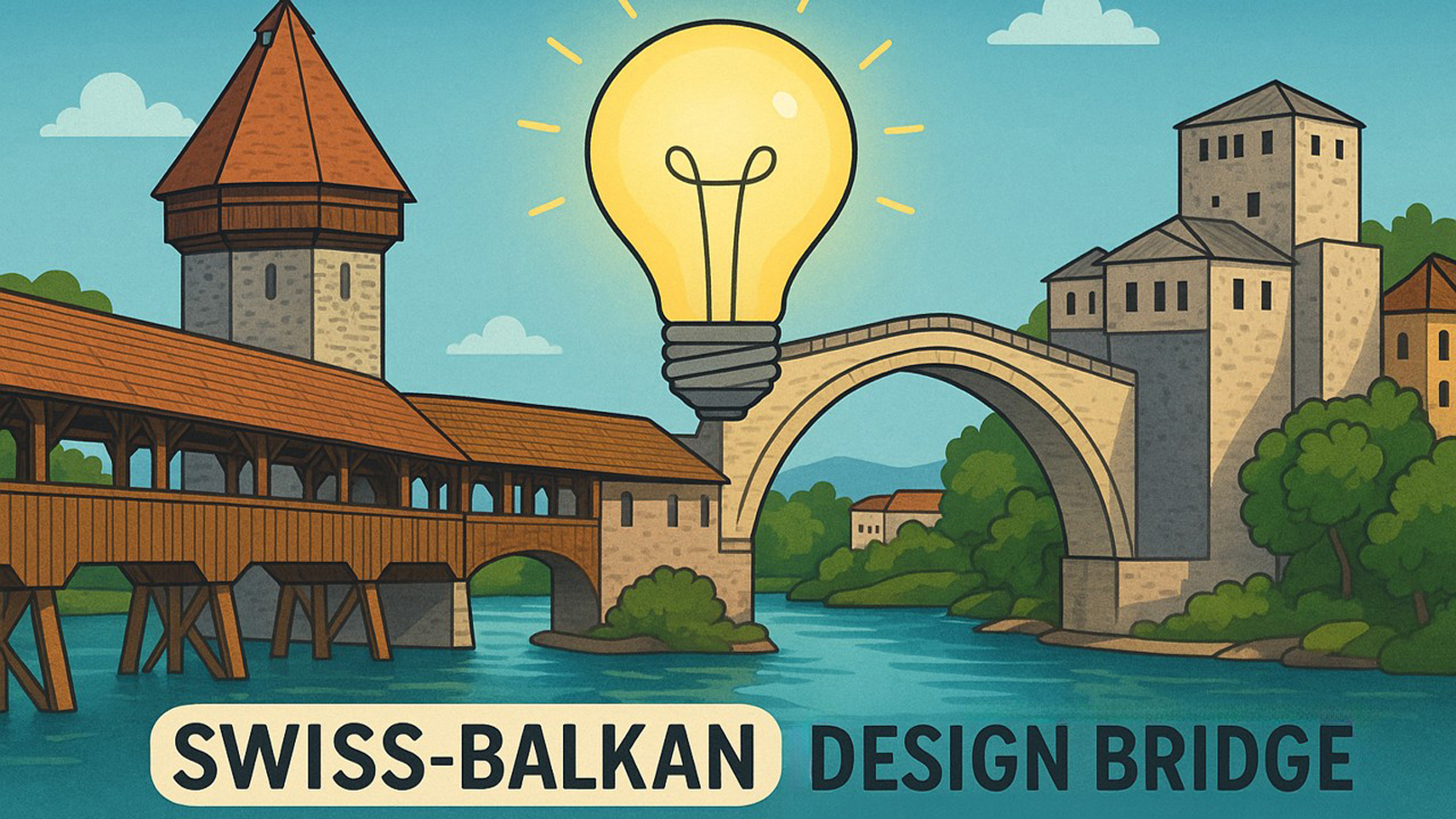
Aldin and Ivica, for those unfamiliar with the programme: What’s the “Swiss Balkan Design Bridge” about?
Aldin Vrškić : In collaboration with the organisation “i-dijaspora” and the University of Sarajevo, the HSLU hosts a one-of-a-kind summer school. Over the course of seven days, students from both universities have the chance to collaborate in real-life projects focused on economic and social development in Bosnia and Herzegovina.
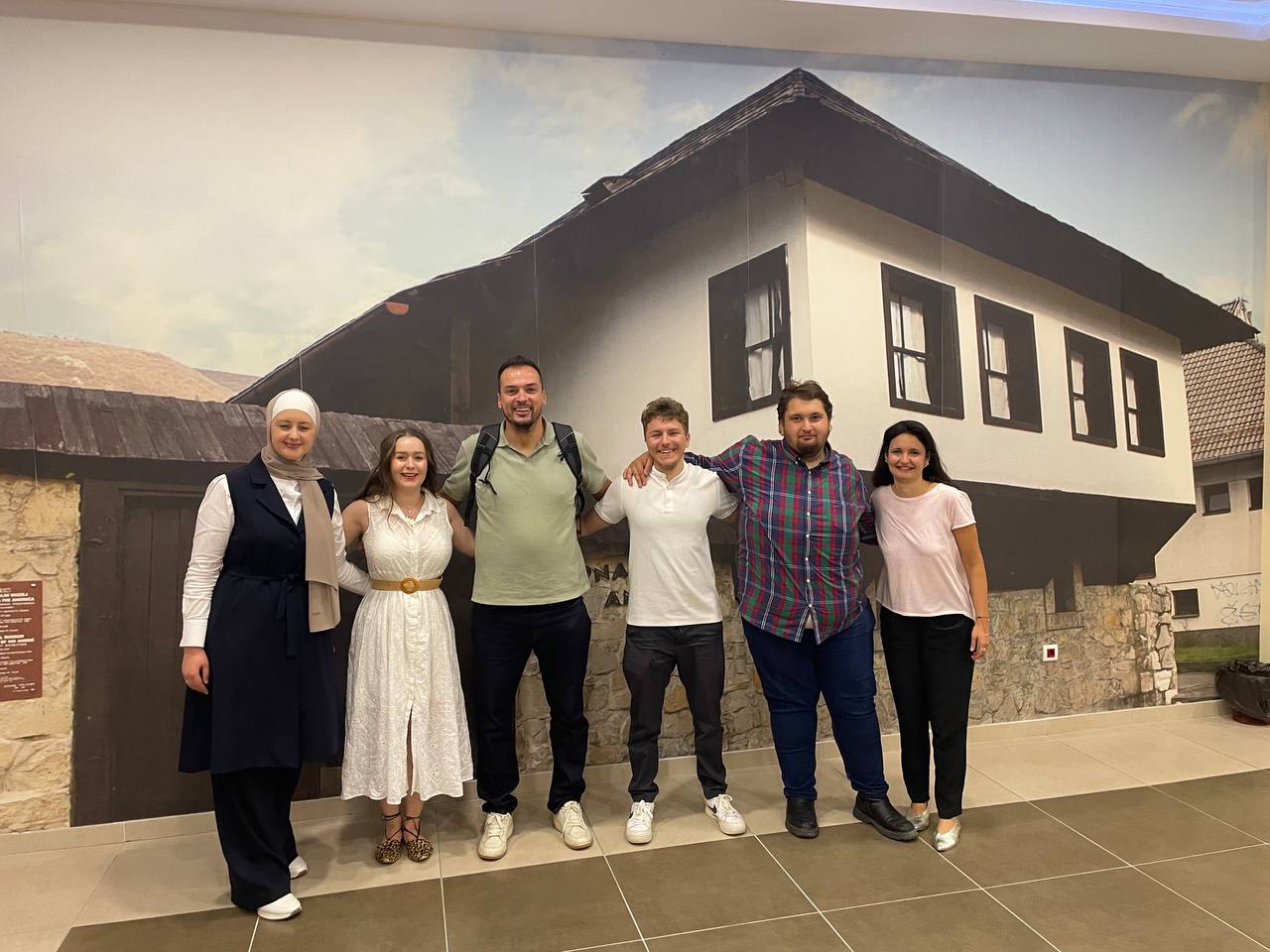
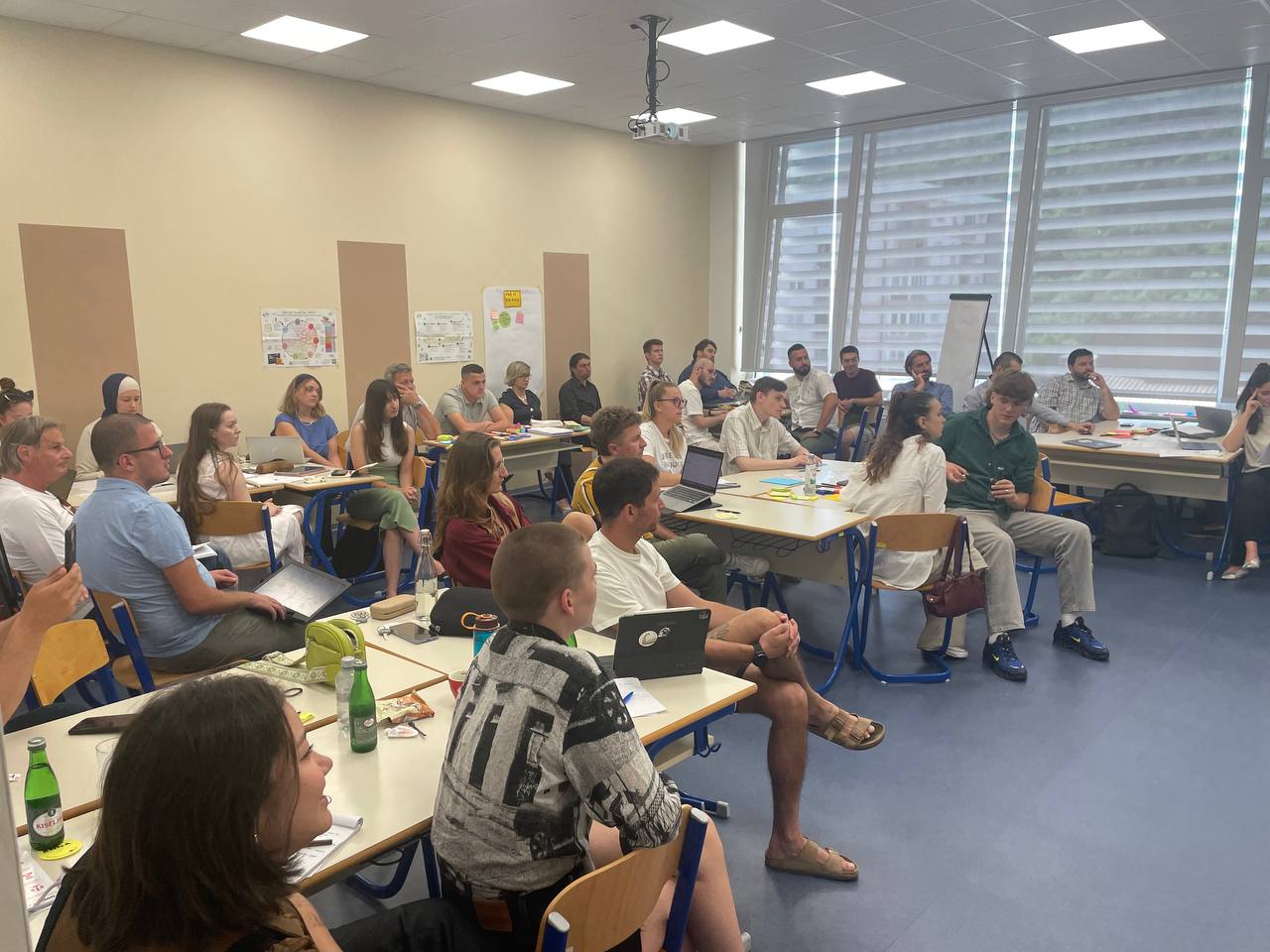
Ivica Petrušić: During their stay, the students and their peers from Bosnia and Herzegovina develop innovative and sustainable solutions for companies, public authorities and other organisations together. They get the chance to visit various businesses and factories. Sorted into groups, they then go on to develop innovative solutions for a specific project. Guided by mentors, the students create presentations to give in front of the companies and other interest groups at the end of the week.
You were in Bosnia recently. How are things in the run-up to the second instalment of the “Swiss Balkan Design Bridge”?
Aldin: Very intense. We had numerous conversations with our partners in the country, among them the Faculty of Political Science of the University of Sarajevo. One of their lecturers will join the team in the summer. We were also in touch with the Travnik city council, who will provide case studies on cooperation. Because in the summer school, students not only work with simulations, but on real-life projects. The Swiss embassy in Sarajevo also supports the project, which is really valuable for us.
Ivica: This collaboration is key for us. We have maintained close ties for years, for instance with the Swiss embassy and the i-Dijaspora and i-platform networks. They also support our idea to involve the diaspora more extensively and to facilitate real projects in the area.
Where does the Bosnian diaspora come in?
Ivica: Many Bosnians living abroad still feel closely connected to their country of origin. They are happy to share their knowledge and networks and to contribute financially. However, they often face obstacles when realising ideas in the country. That is where our projects come in.
Aldin: What matters in this context is that contributions from the global Bosnian diaspora make up 20 per cent of the country’s GDP. That is, the connection is not just emotional: it is also a key economic factor for the country’s development.
Ivica: Our goal is to bring these two aspects together more. And the summer school offers a format where that can happen: People from varied backgrounds working together to address real-life problems, building connections that extend beyond individual projects.
What happens on the ground during summer school?
Aldin: Students tackle real-life tasks – e.g., for local start-ups, SMEs, public authorities or social institutions – in interdisciplinary and intercultural teams.
Ivica: The participants bring different perspectives to the table. Some have an existing connection to the region, others don’t: this creates an interesting dynamic. The goal is to find solutions together that match the specific contexts.
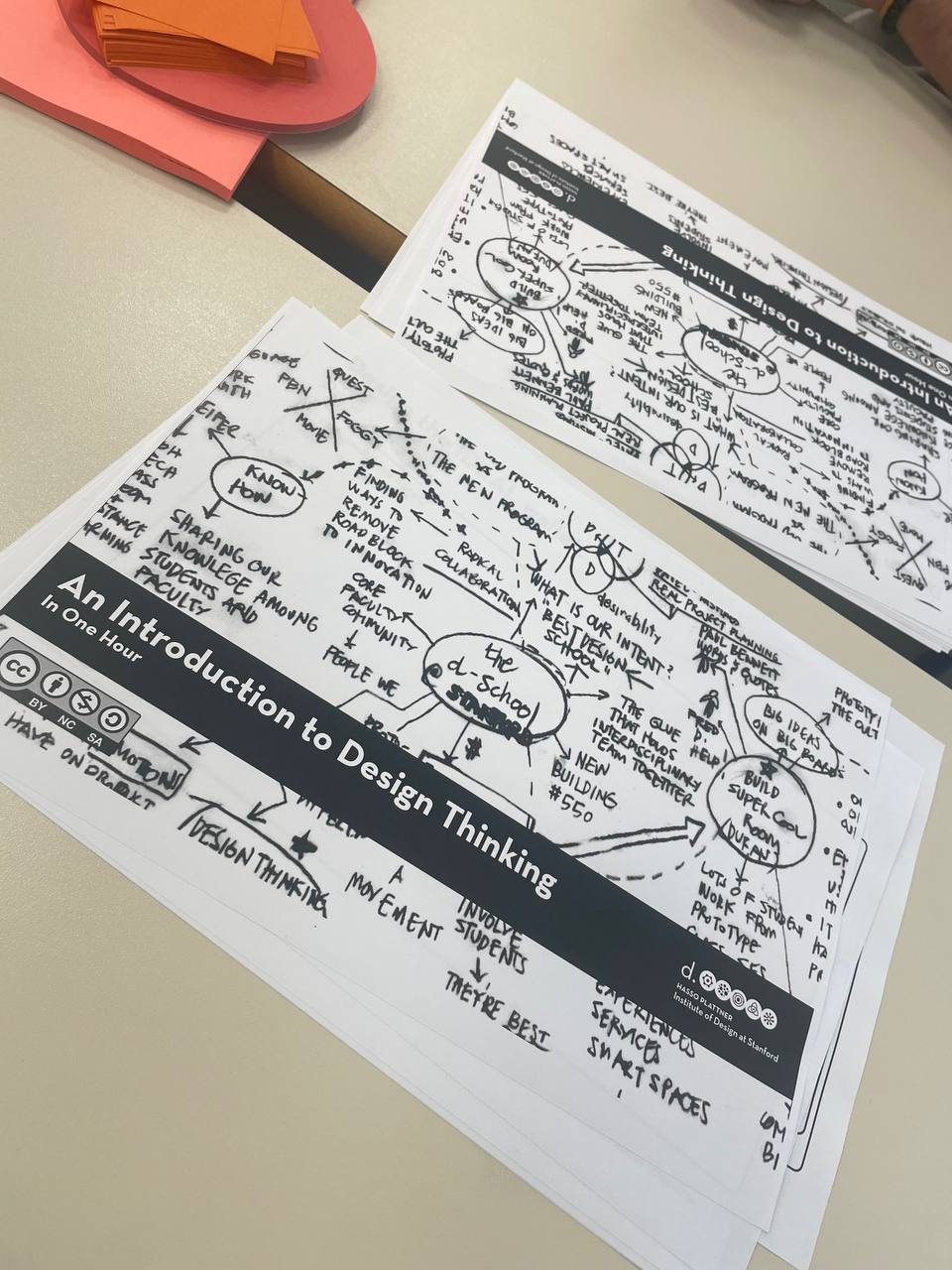
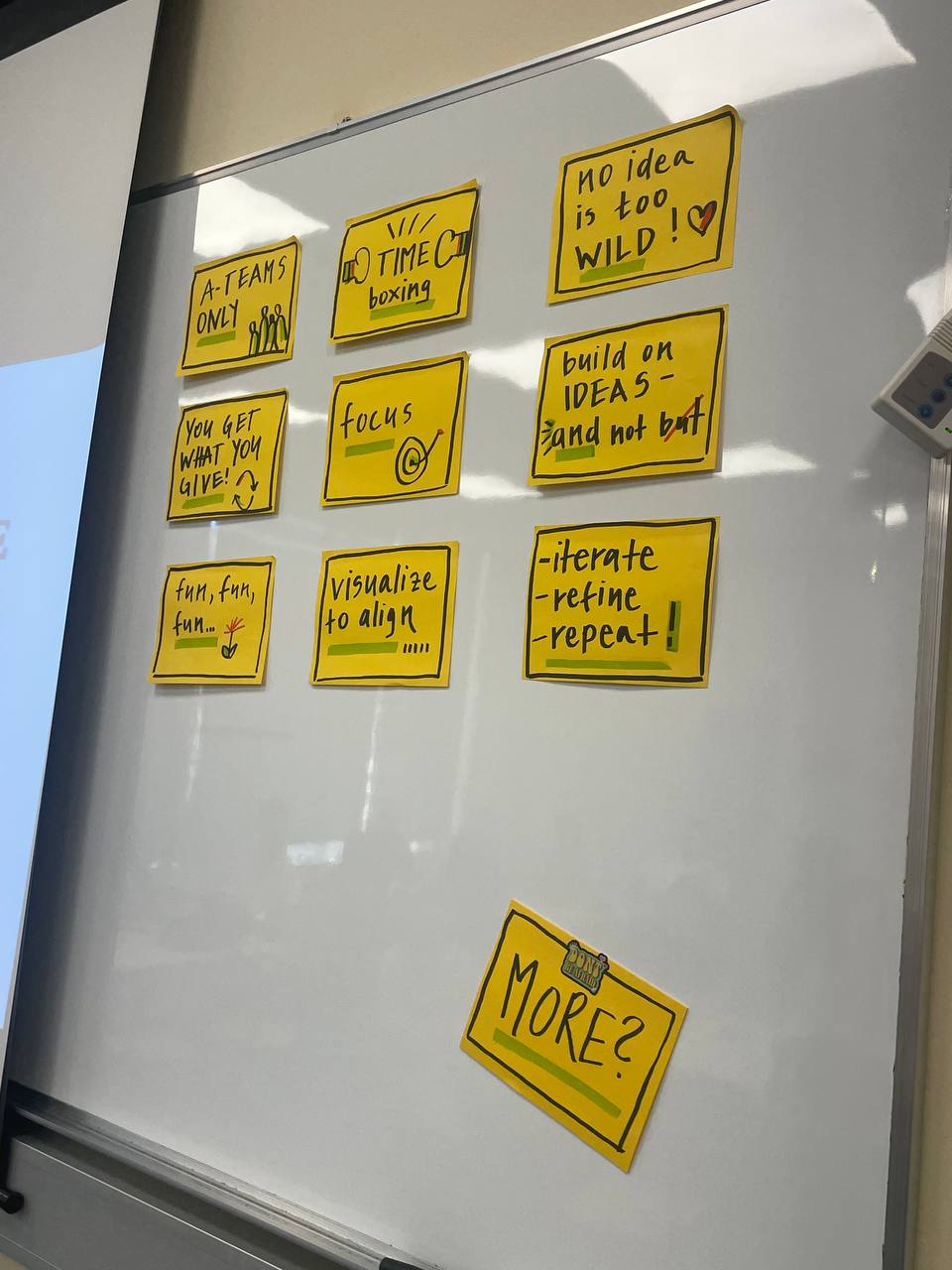
Aldin: In terms of methodology, we combine approaches from business such as design thinking with methods from social work like co-creation and participatory processes that centre the relationship with the target group. Students conduct interviews with them and try to better understand their needs.
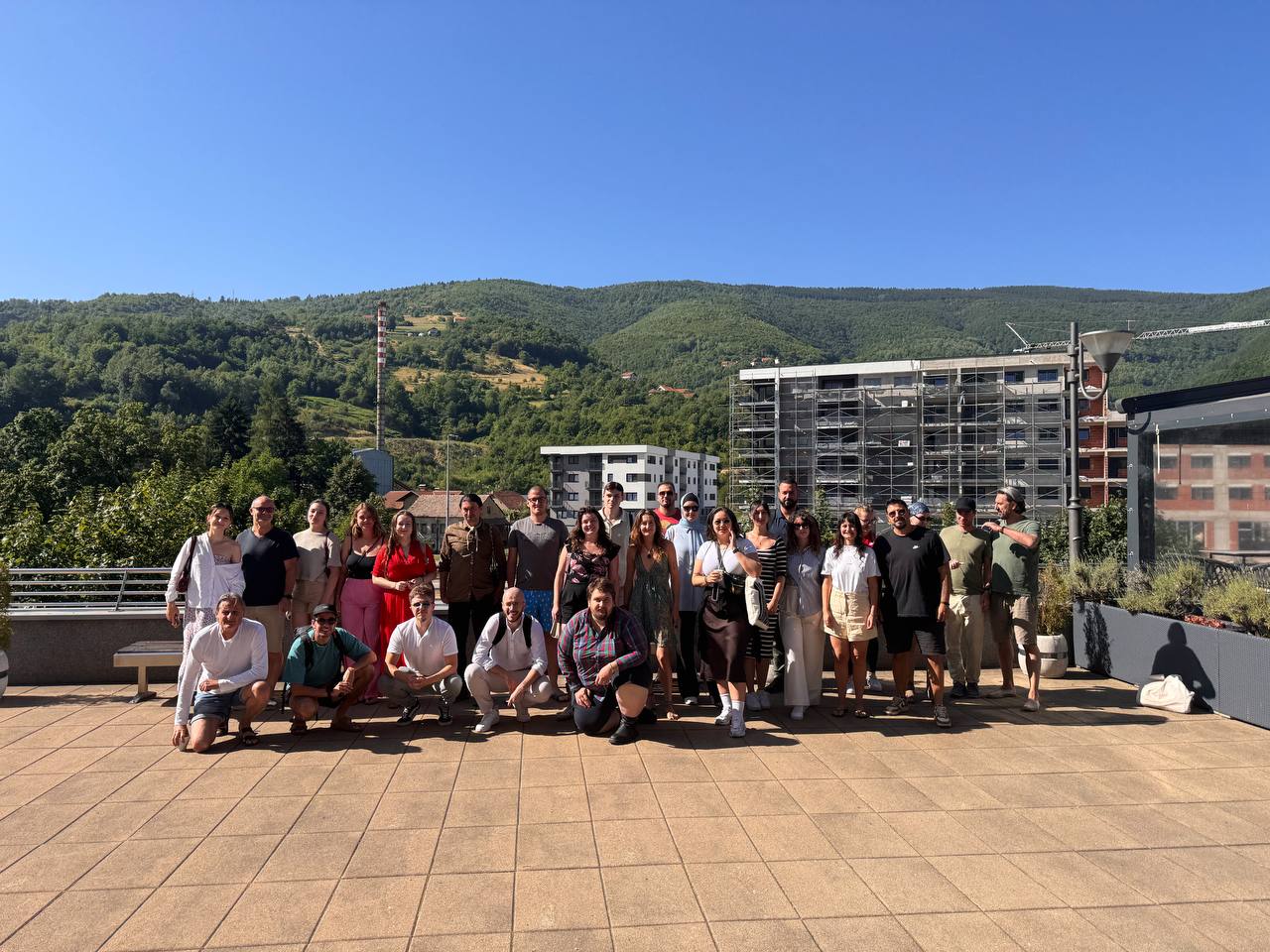
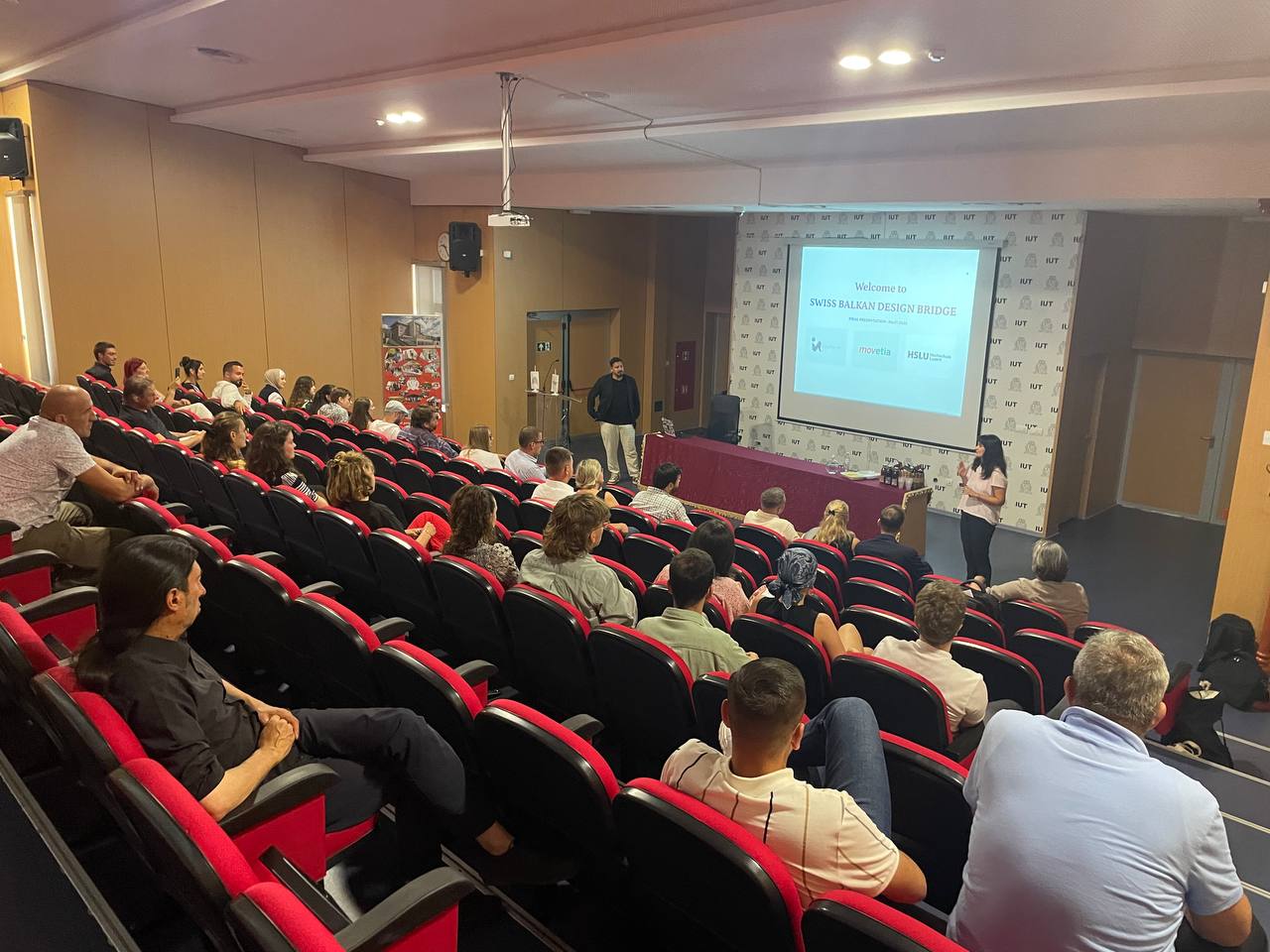
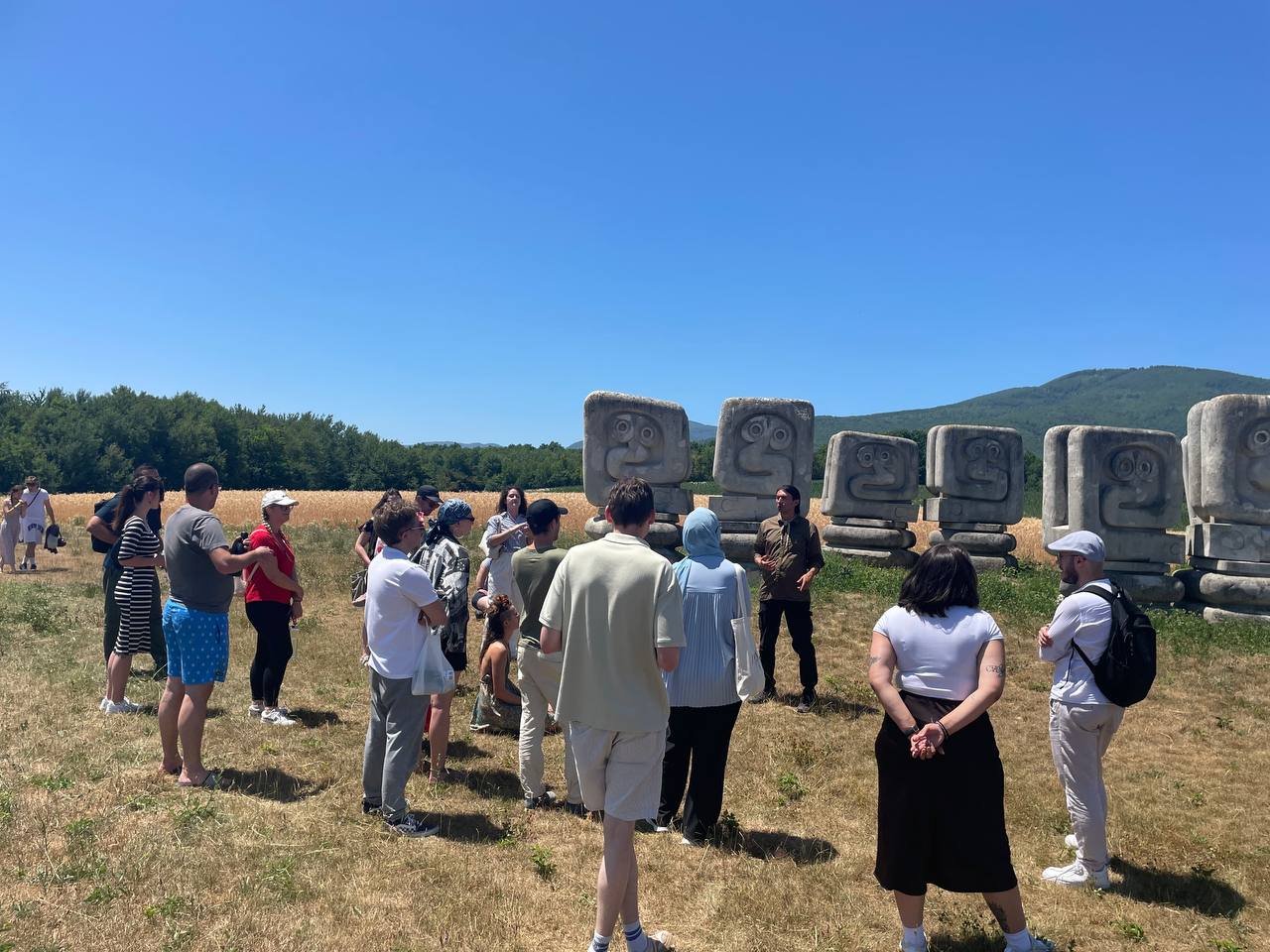
Specifically, what does this collaboration mean in a Bosnian and Herzegovian context?
Aldin: To rebuild trust and build connections: those are the most important and, at the same time, most difficult tasks in post-conflict societies.
Ivica: In highly fragmented countries, almost nothing is neutral. Symbols or colours might have a meaning. That is why we picked a neutral purple for our i-platform network. All this is the reason why initiatives like i-dijaspora and i-platform create spaces where different perspectives and living environments can come together.
What does the “i” stand for in your organisations’ names?
Ivica: It means “and”. We wanted to find a name that has a uniting effect – it is also borrowed from the “and” in Bosnia and Herzegovina. Particularly in countries with a history of conflict, we must create spaces where diverse perspectives can come together.
Aldin: At the same time, we know from experience that such encounters don’t just happen naturally.
Ivica: Exactly. Collaboration often happens where there’s a shared interest and concrete benefit. Formats that solely focus on exchange tend to quickly reach their limits.
Where did the idea for the summer school originate?
Aldin: Both our backgrounds are in youth work; we have been working in non-formal education for many years. I started coordinating international youth projects in 2016. And even though I really love to see how participants grow in these projects, the scope of the exchange is often limited. After a short while, everyone goes their way. We realised that we had to rethink this. The key question was how we might combine non-formal and formal learning methods. We talked with Oliver Kessler from the School of Business – this gave us the idea to bring together the Schools of Social Work and Business.
Ivica: In this conversation, it also became apparent that social projects can only be sustainably implemented if the business side is taken into account. This led to the idea of combining these perspectives.
Can you tell us about your practical experiences?
Ivica: An important lesson for us was that it’s often these business projects that create a space for collaboration in the first place. Participants can contribute their perspective and approach other parties involved without losing face in the community.
Aldin: The first summer school last year may have been a pilot, but it showed us that the idea is viable. The students got to contribute to all kinds of projects from mattress and bedding manufacturing to natural products to ecotourism lodges. One crucial step was to formalise the format, for example, to ensure that students now earn ECTS credits for attending it.
What’s the summer school’s biggest success in your opinion?
Aldin: For us, it’s the participants’ feedback that matters the most. Many tell us that they’ve learned more in this week than in a year’s worth of studying, particularly where their self- and social skills are concerned. Some weren’t very confident at the beginning but got the chance to present or develop projects over the course of the week. Some of the groups were able to pursue their project even beyond the summer school, for instance through crowd-funding or new cooperations.
Aldin: Students with Bosnian roots often learn that they can act as bridge-builders. One told us “I can forge connections because I understand both mentalities.” This is the mindset we aim to strengthen in the summer school and beyond.
Ivica: The things that emerged from the collaboration with our practice partners are also important. Over time, we grew fairly close with our clients. And the students devised ways of communicating, even though not everybody spoke English.
Interdisciplinarity seems to be a success factor for the project, too.
Ivica: Yes, cross-disciplinary collaboration is key. This year, our students from the Schools of Business and Social Work will be joined by their peers from the School of Engineering and Architecture.
Aldin: Initially, the students of social work were a bit concerned that the business-related task would be too difficult. Interestingly, it’s often the business students who take a social worker-type of approach to tackling the issues at hand.
The project seems to be growing in terms of content, as well. Which topics seem particularly relevant to you in the future?
Aldin: My work at the HSLU is directly connected with the project. My key research question is whether and how non-formal and formal education can be combined and how the resulting approaches might become part of the standard curriculum. To this end, I study the summer school and conduct interviews with students and coworkers.
Ivica: At the same time, the diaspora plays an important, if not crucial, role in the future development of the projects. We want to engage more young multinational people to make the process truly transnational and transcultural. I think the significance of the diaspora as a resource and factor driving development is still undervalued. It would be interesting to further explore this through research. In his master’s thesis, Aldin has discussed these issues in depth, as well.
Aldin: The diaspora and migration are two closely related topics. People often have a rather one-dimensional view of migration. But we think that it can be circular, too – after all, we are living in the 21st century and in a globalised world. It’s easy to get to Sarajewo. That means people can support each other from everywhere.
What does it take for this kind of project to have a long-term effect?
Aldin: What matters is building trust, particularly in post-conflict societies.
Ivica: It’s also important that people get together in the first place and tackle real-life tasks together. From this, projects can emerge that transcend individual projects and build trust. My 20 years in sociocultural animation have taught me that you shouldn’t tell people how to solve their problems. It’s all about strengthening their potential and self-sufficiency and to create spaces where they can develop shared ideas and perspective together. This, in turn, might lead to the building of new connections and bridges.
Projects like “Swiss Balkan Design Bridge” and “i-dijaspora” perfectly embody these principles. Thank you very much for this interesting conversation.
Text: Anette Eldevik
Image: Albion Osaj, Nina Rines, Noemi Mehring
Published: June 19, 2026 (German version here)

Ivica Petrušić
Ivica Petrušić is, among other things, a certified social worker, systemic management consultant and coach. He has been working as a lecturer and head of project for the Lucerne School of Social Work since 2020. His focal points are in child and youth support, participation, migration, integration and development cooperation.

Aldin Vrškić
Aldin Vrškić has an MSc in Social Innovation und Management from the University of Economics and Business Vienna and more than a decade of experience in the youth sector, from volunteer work to active professional involvement to the management of international youth projects. Since 2025, he has been a research associate at the Lucerne School of Social Work. His area of specialisation is in international projects, transnational collaboration, and project management for NGOs.
About the Summer School
The HSLU’s Schools of Business and Social Work, the i-dijaspora network and the University of Sarajevo jointly offer the “Swiss Balkan Design Bridge” summer school. In August 2026, students from Switzerland and Bosnia will attend the second instalment of this programme in Bosnia and Herzegovina.
Based in Travnik, they work in interdisciplinary and intercultural teams on real-life projects for start-ups, SMEs, public authorities and organisations. The goal is to combine business and social perspectives and develop solutions together.
The project is supported by Movetia, the Swiss Agency for the Promotion of Exchanges and Mobilities, and by the i-dijaspora and i-platform networks. The name “Swiss Balkan Design Bridge” stands for the goal to create connections between disciplines and educational approaches, but first and foremost between people, living environments and cultures.
Kommentare
0 Kommentare
Danke für Ihren Kommentar, wir prüfen dies gerne.