Shared approaches to addiction prevention in Romania and Switzerland
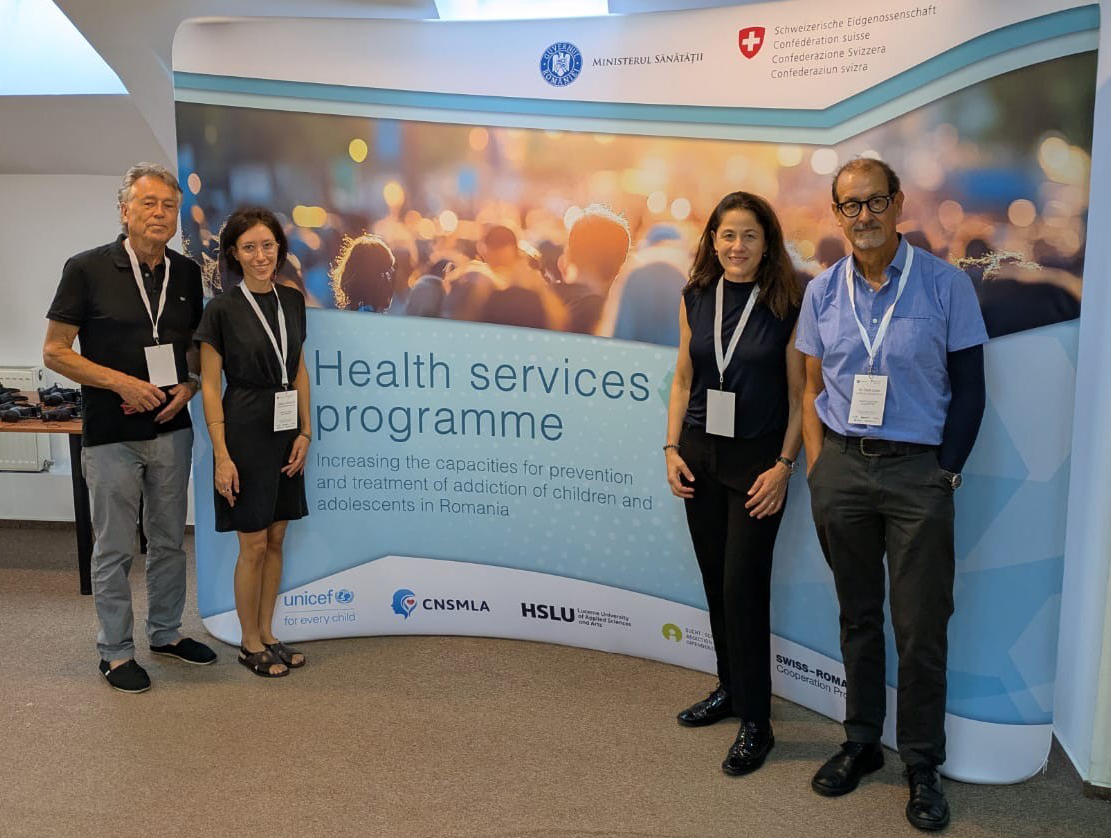
In the framework of an international project, the HSLU is working alongside specialists in Romania to build skills in prevention. HSLU professor Suzanne Lischer talks about social ostracization, public health and the challenge of making prevention services accessible to as many people as possible.

Suzanne Lischer, you are involved in a project dedicated to addiction prevention in Romania. Can you tell me more about it?
The project is part of a larger Swiss-Romanian health programme. Its aim is to strengthen prevention and treatment of addiction disorders in children, adolescents and young adults between ten and twenty years of age. It’s not just about specific services, but about building lasting frameworks, specialist skills, knowledge and collaboration. The project also includes our “Train the Trainer” scheme.
How does it work?
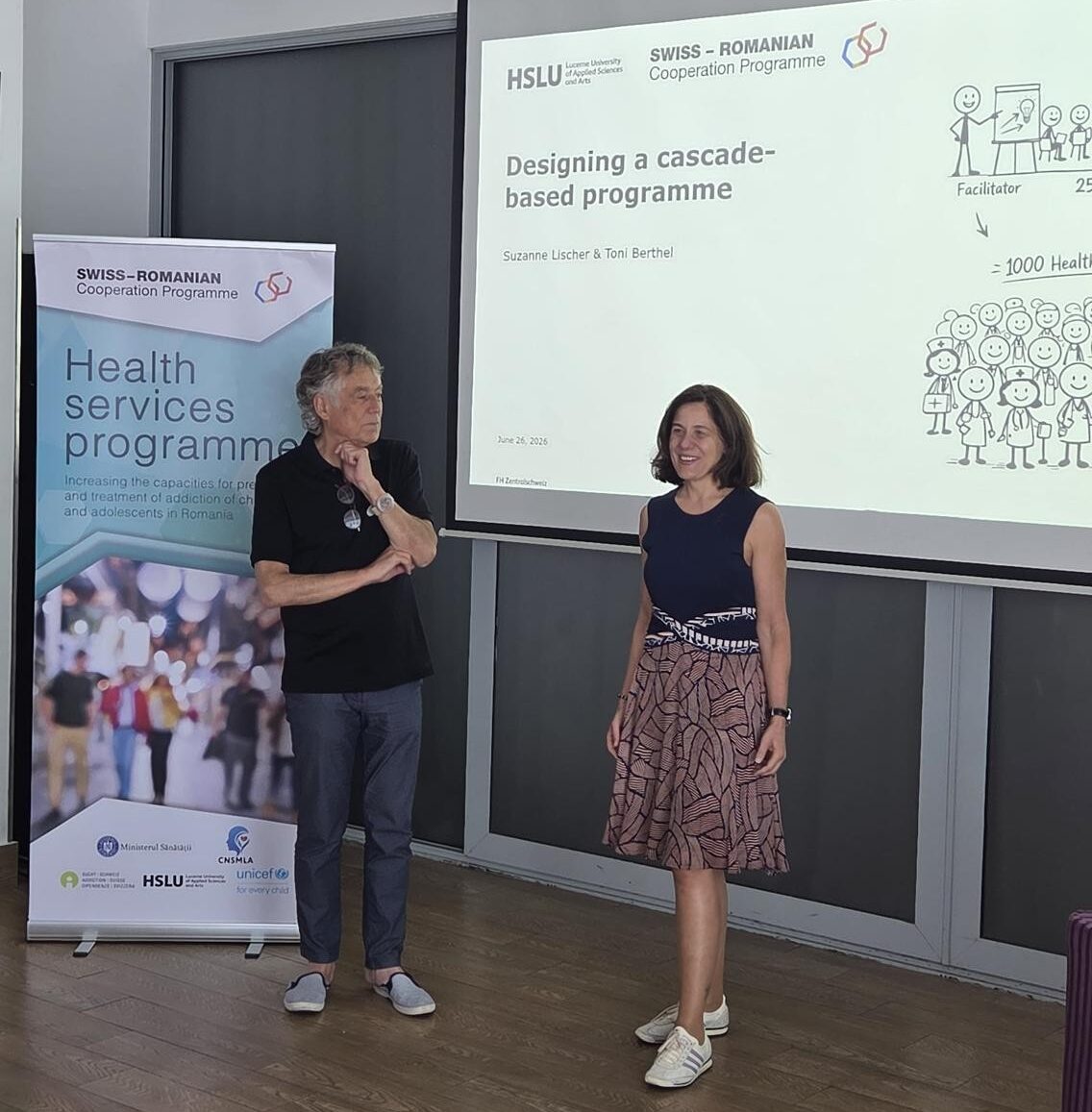
We are currently supporting twenty-four health professionals across occupational categories to develop a curriculum that will be used to provide continuing education to an additional 1,000 specialists in the future. The goal is to strengthen addiction prevention and support in the long run and to effectively embed new approaches in practice. It’s important that the programme is participatory by design: the participants aren’t just passive recipients of knowledge, but they contribute their own experiences, specific skills and perspective to the design of the programme content.
You were recently in Romania yourself. How did you experience the situation on the ground?
I met highly trained and engaged specialists including psychiatrists, psychologists, social workers and other health professionals, all of whom were open to discussing new approaches to addiction prevention. I was quite impressed. At the same time, it was evident that many institutions work with limited resources in terms of staff and infrastructure.
Where do you see the main differences to Switzerland?
Certain approaches that are standard in Switzerland today are only just gaining traction in Romania. Addiction policy still mainly focuses on the three pillars of repression, prevention and treatment; only very few services focus on harm reduction. That’s why there was a great deal of interest in our public health-oriented strategies.
What kinds of addiction are the local specialists mostly dealing with?
The project not only revolves around classic addiction disorders like alcohol or drug addiction – behavioural addictions like gambling or problematic media are important, too. Interestingly – and much like in Switzerland – it’s alcohol, tobacco and gambling that have the most devastating effect on health and society. Having said that, the public tends to focus more on illegal substances.
What are the local specialists’ main issues or questions?
They are very interested in all things adolescence and how to tackle substance use in this particular developmental stage. There was also an intense discussion about the different theoretical and strategic approaches within addiction work. For example, the participants took a keen interest in the so-called “cube model” used in the context of Swiss addiction policy.
What exactly is this cube model?
The model helps to form a nuanced view of the different forms of substance use and the different approaches to prevention. For example, it differentiates between low-risk use, problematic use, and addiction. It shows that prevention should look different depending to the specific situation. You need different messaging for adolescents trying alcohol for the first time than for people with a severe substance use disorder. The local specialists found this nuanced approach very interesting.
How do social factors affect addiction disorders in Romania?
A key issue was how poverty, ostracization and discrimination can influence addiction disorders. People who are socially disadvantaged often struggle to gain access to support and prevention services. This was discussed at length in the course, e.g., as relates to LGBTQ or Romani people. It became clear that we mustn’t paint everybody with the same brush but always consider where they stand in life.
What does this mean in practical terms?
There are no demographic groups that are hard to reach, only poorly accessible services. We must offer services that reach the groups they are intended for and make sure people have access to the support they need.
And that’s not just the case in Romania. There are plenty of people in Switzerland who find it difficult to access prevention and support services – for example refugees and people who have been discriminated against.
What are currently the project’s greatest challenges?
The political instability in the country is certainly one of the greatest challenges. Long-term projects like ours need a stable framework, and that just isn’t there at the moment. And there’s the brain drain. Many highly trained specialists are leaving Romania because they find better working conditions abroad. That makes it harder to build sustainable structures. The stigmatisation of people with addiction disorders also remains a problem. A lot has changed, but social acceptance is still limited in some parts of the country.
Looking back at the primary stages of the project: What makes you optimistic?
What makes me optimistic is seeing just how motivated everybody in the project is. The participants have a high level of specialist skills and are keen to bring new perspectives to their work. But it’s clear that lasting change needs time. In the end, success will depend on whether the approaches developed can be embedded in the existing structures long-term and whether sufficient resources will be made available.
What do you personally take away from working with the specialists in Romania?
Working together was highly rewarding for me. The project brings together professionals from various specialisations – from psychiatry to neuroscience to social work. Talking to them kept enhancing my understanding of addiction. I also learned that many issues are not specific to Romania. Particularly when it comes to providing access to prevention and support services, both countries are facing similar challenges. Exchanging views with my peers abroad gave me a clearer perspective on the situation in Switzerland.
Text: Ismail Osman
Image: Suzanne Lischer, Sucht Schweiz, Getty Images
Published: 9 July 2026, German version of the text
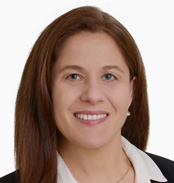
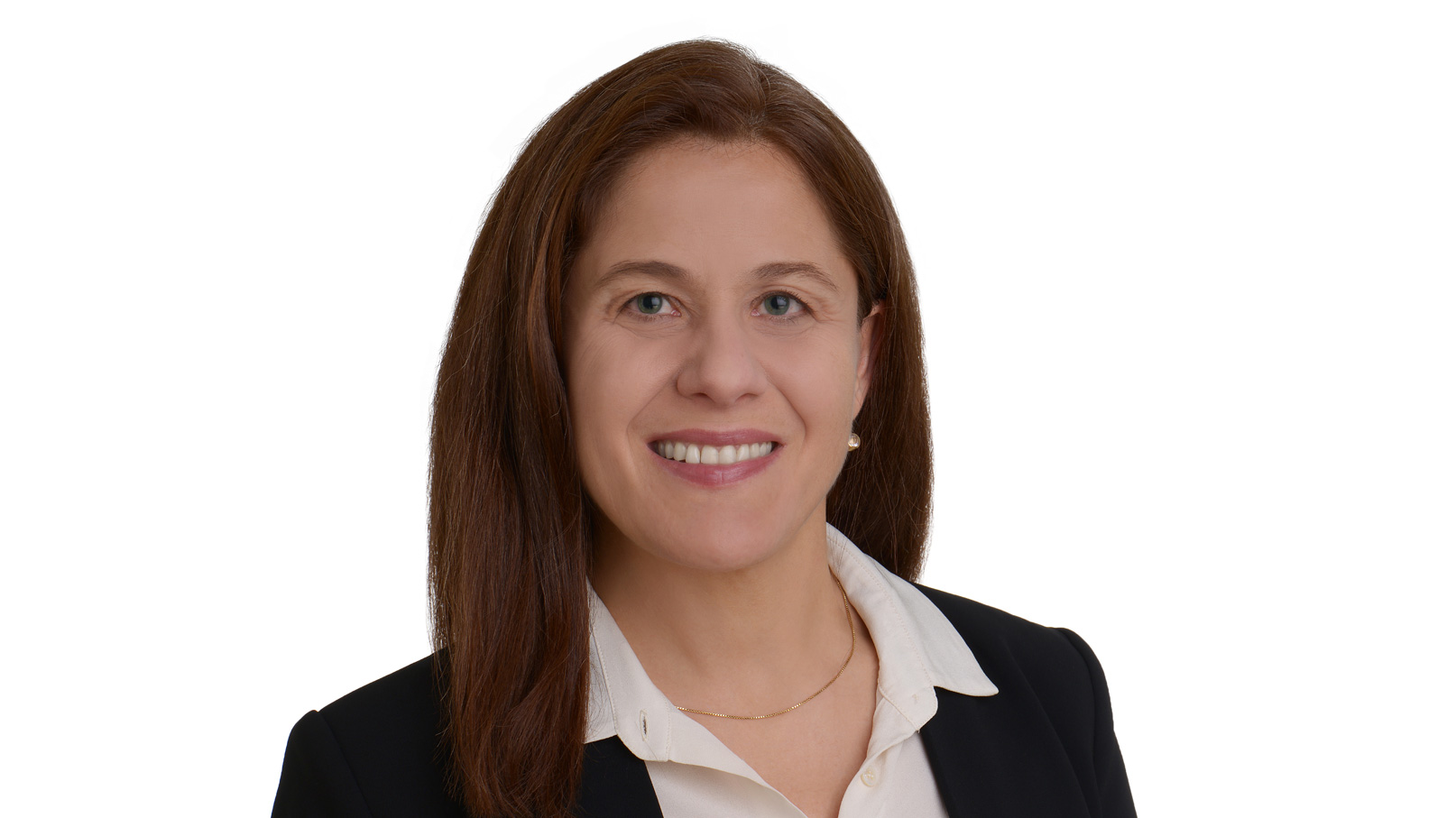
Professor Dr Suzanne Lischer
Suzanne Lischer has been a lecturer and head of project at the Lucerne School of Social Work since 2011. She is a registered social worker and has a PhD in Media Sciences and Communication Studies from the Free University of Berlin and a Master of Public Health from the Universities of Basel, Bern and Zurich. Her professional focal points include prevention and health promotion in the context of social work.
The Romanian healthcare system
The “Train the Trainer” project is part of a larger Swiss-Romanian health programme for addiction prevention and treating addiction disorders among children and adolescents. The Romanian National Center for Mental Health and Fight Against Drugs (CNSLMA) is running the project locally. In the framework of the programme, the HSLU helps to train both new and experienced addiction prevention specialists.
The project’s aim is threefold:
- To improve the collaboration between healthcare system, social work and education.
- To ensure adolescents and adults are given better information about addiction, prevention and health risks.
- To strengthen specialists and mental health centres in different regions of Romania in the long-term.
Some parts of the programme are jointly offered with Sucht Schweiz [Addiction Switzerland]. The goal is to expand local prevention, counselling and treatment programmes long-term and make them more accessible to the public. Learn more about the “Health services programme – increasing the capacities for prevention and treatment of addiction of children and adolescents in Romania” here. The programme is co-funded by the Swiss Agency for Development and Cooperation (SDC) as part of the second Swiss contribution to selected EU member states.

Kommentare
0 Kommentare
Danke für Ihren Kommentar, wir prüfen dies gerne.